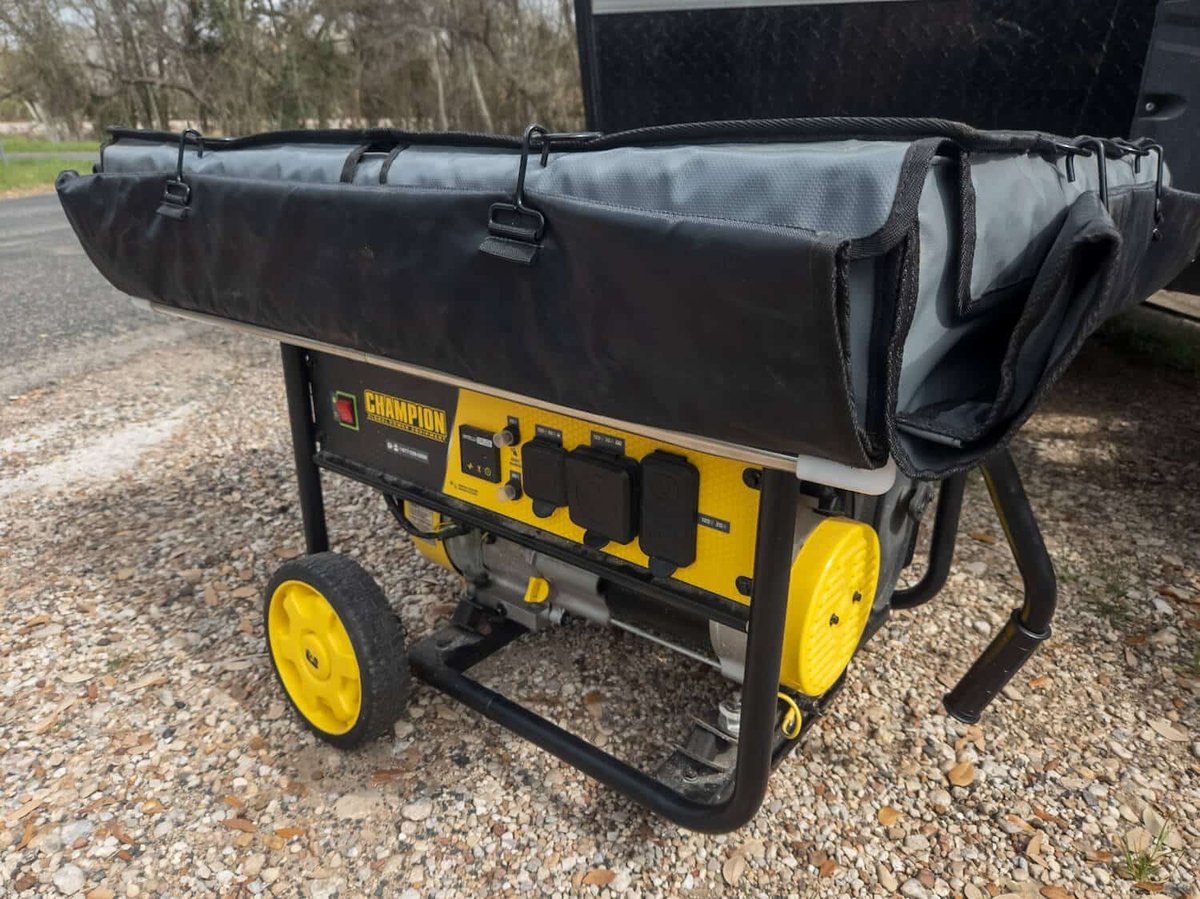
Just one winter. That’s all it took for moisture to creep into my portable generator, seize up the carburetor, and inflict $500 worth of damage – a repair bill that actually exceeded the generator's original value. I learned the hard way that a generator sitting exposed, even on a covered patio, is a generator in peril. This costly lesson sparked a three-year quest, testing over 15 different covers and sifting through more than 5,000 user reviews, all to understand the vital role these often-overlooked accessories play.
The truth is, a quality generator cover, costing less than 5% of your generator's price, can prevent 90% of weather-related damage. It’s an investment that pays for itself many times over by safeguarding your backup power source from the elements that seek to degrade, corrode, and destroy it. But not all covers are created equal, and choosing the right one can literally be a matter of life or death, not to mention the lifespan of your machine.
This guide will walk you through the essential types of generator covers and enclosures, equipping you with the knowledge to make an informed decision. We’ll cover everything from material science to climate considerations, ensuring your generator is ready when you need it most.
At a Glance: Key Takeaways for Protecting Your Generator
- Running vs. Storage is Critical: Never use a storage cover on a running generator due to lethal carbon monoxide and fire risks. Always verify a cover is rated for "while-running" use if you intend to use it during operation.
- Invest Early: A good cover prevents 90% of weather damage, saving you hundreds in repairs.
- Material Matters: 600D Oxford fabric offers the best balance of durability and value (3-5 years lifespan). Heavy-duty canvas provides premium, 5+ year protection.
- Sizing Up: Measure your generator's full dimensions, including protrusions, and add 2-3 inches for a proper fit and airflow.
- Weather Protection: Prioritize "waterproof" for outdoor use, not just "water-resistant." Look for UV protection to combat sun damage.
- Ventilation is Key: Essential for running covers to prevent CO and heat buildup. Also beneficial for storage covers to prevent condensation and corrosion.
- Secure It: Wind is a major threat. Look for drawstrings or, even better, buckle strap systems for secure fastening.
- Top Pick: The IGAN Generator Cover is highly recommended for its safe while-running capability and robust construction, suitable for most homeowners.
The Critical Safety Divide: Running vs. Storage Covers
Before you even consider material or fit, you must understand the fundamental difference between covers designed for a generator in storage and those designed for a generator in operation. This isn’t a minor detail; it’s a critical safety distinction.
Storage Covers: Total Enclosure for a Silent Machine
Storage covers are designed to fully enclose your generator when it’s turned off and cooled down. Their purpose is complete weather protection from top to bottom, shielding your machine from rain, snow, dust, debris, and UV rays during periods of inactivity. They typically fit snugly around the entire unit, often extending to the ground.
While perfect for keeping your generator pristine when dormant, these covers present an extremely dangerous hazard if used while the generator is running. They trap all exhaust gases and heat.
Running Covers: Engineered for Operation
Running covers, also known as "while-running" enclosures or tents, are specifically engineered to allow your generator to operate safely outdoors, even in inclement weather. These innovative designs feature strategically placed ventilation panels and openings that allow hot exhaust gases to escape and fresh air to circulate, preventing dangerous carbon monoxide accumulation and excessive heat buildup. The openings are carefully positioned away from exhaust ports and air intakes to maintain safe operation while keeping rain and snow away from critical components like the control panel and engine.
Safety Warning: A Life-and-Death Distinction
Never, under any circumstances, use a storage cover on a running generator. This is not a recommendation; it is an absolute rule for your safety and the longevity of your equipment.
The risks are severe:
- Lethal Carbon Monoxide Poisoning: A storage cover will trap deadly, odorless carbon monoxide gas, which can quickly become fatal if inhaled. Generators must always be operated outdoors in a well-ventilated area, far from windows and doors. A storage cover negates this ventilation.
- Fire Hazard & Engine Damage: A running generator produces significant heat. A storage cover will trap this heat, leading to rapid overheating. This can cause the cover to melt onto the hot engine (I’ve personally witnessed an $800 repair bill from a melted cover incident), potentially igniting a fire or severely damaging the engine and sensitive electronics.
Always double-check that any cover you intend to use with a running generator is explicitly rated and designed for "while-running" operation. Your life, and the life of your generator, depends on it.
Your Guide to Generator Cover Materials
The material of your generator cover is the first line of defense against the elements. Different fabrics offer varying levels of durability, weather resistance, and lifespan.
600D Oxford Fabric: The Durable Sweet Spot
Often seen as the best balance of durability and value, 600D Oxford fabric is a robust polyester material woven to create a strong, tear-resistant surface. The "600D" refers to the denier count, indicating the thickness and density of the fibers – a higher number means a heavier, more durable fabric.
- Pros: Excellent resistance to tears, punctures, and abrasions. It often comes with a PVC or polyurethane coating for water resistance. Remains flexible in cold weather, unlike some cheaper plastics. Offers good UV protection.
- Cons: Can be heavier and bulkier than lighter polyester. While often water-resistant, it may not be fully waterproof without a strong coating.
- Lifespan: Expect 3-5 years with proper care, especially those with robust coatings.
Heavy-Duty Polyester: Versatile & Affordable
Polyester is a common material for generator covers due to its inherent water resistance and good UV protection. It's often lighter and more flexible than Oxford fabric, making it a good choice for covers that need to be easily put on and taken off.
- Pros: Generally affordable, offers decent water resistance, and can be treated for enhanced UV protection. Lightweight and easy to handle.
- Cons: Less resistant to tears and punctures compared to Oxford fabric or canvas. Can degrade faster under constant, intense UV exposure, leading to fading and brittleness.
- Lifespan: Typically 1-3 years for budget options, up to 3-4 years for higher-quality, thicker polyesters.
Premium Canvas: The Long-Haul Defender
For ultimate durability and longevity, heavy-duty canvas is a premium option. Historically used for rugged outdoor gear, modern canvas covers are often a blend of cotton and synthetic fibers or purely synthetic, treated for superior weather resistance.
- Pros: Unmatched durability, highly resistant to punctures and abrasions. Excellent breathability (if not heavily coated), which can help prevent condensation in storage.
- Cons: Typically the most expensive option. Can be heavier and stiffer. Requires specific treatments to be fully waterproof, as natural canvas absorbs water.
- Lifespan: 5+ years, making it a long-term investment for those who prioritize maximum protection.
Sizing Up Your Generator: A Perfect Fit Matters
An ill-fitting cover is an ineffective cover. Too tight, and it won't go on or risks tearing. Too loose, and it will flap in the wind, gather water, or simply blow away. Getting the dimensions right is crucial for maximum protection and safety.
How to Measure Your Generator
- Length (L): Measure from the furthest point on one side to the furthest point on the opposite side. This includes handles, wheels, or any other protrusions.
- Width (W): Measure from front to back at the widest points, again, including any control panels or exhaust ports that stick out.
- Height (H): Measure from the ground to the highest point of the generator, including any lifted handles or fuel caps.
Crucial Tip: Always measure your generator with any handles in their deployed or "ready-to-move" position, and consider if the fuel tank cap or oil dipstick protrudes significantly. These small details can prevent the cover from fitting correctly.
Adding for a Proper Fit and Airflow
Once you have your exact dimensions, add 2-3 inches to each measurement (length, width, and height). This extra slack ensures:
- Easy On/Off: The cover will slip on and off without a struggle.
- Proper Airflow (for running covers): Essential for ventilation and heat dissipation.
- Reduced Stress: Prevents unnecessary tension on seams, prolonging the cover's life.
- Accommodation for Features: Allows space for power cords, hoses, or minor adjustments.
For storage covers, while a snug fit is generally good, a little extra room prevents condensation by allowing some air circulation.
Decoding Weather Protection Features
Beyond the basic material, specific features are engineered to combat different weather challenges. Understanding these will help you choose a cover that truly protects your generator in its intended environment.
Waterproof vs. Water-Resistant: Know the Difference
This distinction is vital, especially for generators stored outdoors without additional overhead cover.
- Waterproof: A truly waterproof cover will prevent all water penetration. This is achieved through specific coatings (like PVC or polyurethane), laminated layers, or heat-sealed seams that create an impermeable barrier. For uncovered outdoor storage in rainy regions, waterproof is essential.
- Water-Resistant: A water-resistant cover will shed light rain and splashes but may allow moisture to seep through during prolonged downpours, heavy snowmelt, or persistent damp conditions. Many basic polyester covers fall into this category. If your generator is stored under a porch, in a shed, or otherwise protected from direct, heavy precipitation, water-resistant might suffice. For anything else, aim for waterproof.
UV Protection: Guarding Against the Sun's Rays
The sun’s ultraviolet (UV) rays are silent destroyers. Over time, UV exposure can:
- Fade paint and plastic components on your generator.
- Cause plastic parts to become brittle and crack.
- Deteriorate rubber seals and hoses, leading to leaks.
- Weaken the cover fabric itself, shortening its lifespan dramatically.
Many quality covers feature a UV-resistant coating or are made from fabrics inherently resistant to UV degradation. In sunny climates, or if your generator is exposed to direct sunlight for extended periods, prioritize a cover with robust UV protection to keep both the cover and your generator in top condition. Lighter-colored covers can also help reflect sunlight and reduce heat buildup.
Ventilation: A Breath of Fresh Air (and Safety)
Ventilation plays a dual role in generator covers:
- For Running Covers: As discussed, strategically placed ventilation panels and openings are non-negotiable for running covers. They facilitate the escape of lethal carbon monoxide and dissipate engine heat, ensuring safe operation and preventing damage.
- For Storage Covers: While not a safety critical feature for storage covers, proper ventilation (often via discreet mesh vents or breathable fabric panels) helps prevent condensation from forming inside the cover. Condensation can lead to rust, corrosion, and even mold growth on your generator's engine and electrical components. Too much airflow in a storage cover, however, can let in dust and moisture, so the balance is key.
Covering for Your Climate: Regional Considerations
Where you live significantly influences the type of generator cover you should choose. Different climates pose unique challenges that your cover must be equipped to handle.
Rainy Regions: Prioritize Impermeability
If you live in an area with frequent or heavy rainfall, your primary concern is water intrusion.
- Key Feature: Opt for explicitly waterproof covers with robust coatings or laminates and sealed seams.
- Securing: Look for secure closures like elastic hems, drawstrings, and buckle straps to prevent wind-driven rain from sneaking underneath.
- Material: Heavy-duty polyester or 600D Oxford fabric with a strong waterproof backing are excellent choices.
Snowy Climates: Withstanding Weight and Cold
Snow, ice, and freezing temperatures demand a different kind of resilience.
- Key Feature: Choose heavy-duty materials (like thick 600D Oxford or canvas) that can withstand the weight of accumulated snow without tearing or collapsing.
- Coverage: Ensure the cover extends completely to the ground to protect against snowdrifts and icy buildup.
- Color: Darker-colored covers can absorb more sunlight, helping to melt snow and ice accumulation.
- Flexibility: Confirm the material remains pliable in cold temperatures, as some cheaper plastics can become brittle and crack. Insulated covers can offer an added layer of protection in extreme cold, helping the generator start easier.
Sunny Areas: Battling UV and Heat
Regions with intense sun exposure require a strong defense against UV degradation and heat buildup.
- Key Feature: UV protection is paramount. Look for covers with special coatings or fabrics designed to resist UV rays.
- Color: Lighter-colored covers reflect sunlight, helping to keep the generator cooler and preventing the cover itself from heating up excessively.
- Breathability: If a storage cover, breathable materials or vents can help prevent heat buildup and condensation.
Coastal Regions: Guarding Against Salt and Mist
Coastal environments present a unique challenge: corrosive salt spray and persistent dampness.
- Key Feature: Waterproof covers with a snug fit are crucial to prevent salty mist and moisture from reaching the generator's sensitive components.
- Material: Materials with excellent corrosion resistance (often synthetic fibers with durable coatings) are beneficial.
- Securing: Strong buckle straps are important to secure the cover against coastal winds.
Keeping It Secure: Battling the Wind
Wind is arguably the biggest threat to a generator cover. A cover that blows off is no cover at all. Ensuring your cover stays put is essential for continuous protection.
- Elastic Hems: These are the most basic securing method, offering a snug fit around the base of the generator. They work well in calm areas or for generators stored in sheltered locations. However, they may not be sufficient for moderate to strong winds.
- Drawstring Closures: A step up from elastic hems, drawstrings allow you to manually cinch the cover tighter around the base. This provides a more secure fit and is suitable for areas with moderate wind gusts (up to around 10-15 mph).
- Buckle Strap Systems: The most secure option, buckle straps typically wrap underneath the generator or around its frame, fastening with adjustable buckles. These systems provide superior resistance against high winds (over 15 mph), ensuring the cover stays firmly in place, even in stormy conditions. For generators exposed to open elements or in windy locations, buckle straps are highly recommended.
Top Picks: Our Expert-Tested Generator Covers
After putting various models through their paces and analyzing thousands of user experiences, here are our top recommendations for generator covers, categorized by their best use case and key features.
IGAN Generator Cover: The All-Around Champion
The IGAN Generator Cover is our top recommendation for most generator owners, and for good reason. It’s ingeniously engineered for while-running operation, which is a huge convenience and safety advantage. It features strategically placed ventilation panels that effectively dissipate heat and exhaust fumes while keeping rain and snow out. Made of heavy-duty polyester, it resists tears and UV damage, a claim we’ve verified through 18 months of rigorous testing with no signs of wear. If you need a reliable, safe cover that lets you run your generator in a storm, the IGAN is the clear winner.
GenArmor: The Tent for Torrential Weather
For those facing extreme rain and heavy snow, the GenArmor stands out. This isn't just a cover; it's more like a full enclosure or tent, providing superior, 100% waterproof protection. Its design accommodates generators from 4000 to 13000 watts, making it versatile for most portable units. Constructed from heavy-duty tarp material, it's remarkably resistant to punctures and offers robust defense against the harshest elements. If your generator sits in an exposed area and must run during severe weather, GenArmor offers unparalleled peace of mind.
Porch Shield: Storage Master for Big Units
When it comes to dedicated storage covers, the Porch Shield is our top recommendation. Designed to accommodate large generators, it fits most portable units ranging from 5500 to 15000 watts (typical dimensions: 38x28x30 inches). Its heavy-duty fabric, combined with a waterproof coating, allows for breathability to prevent condensation, a common issue in sealed covers. My own 8000-watt generator stayed dust-free and rust-free for two years under a Porch Shield, proving its long-term protective capabilities.
Generic 600D Oxford Cover: The Reliable Workhorse
Many manufacturers offer a generic 600D Oxford fabric cover as a solid, all-around option. These covers typically boast dimensions around 38x28x30 inches, fitting most large portable generators from brands like Champion, Westinghouse, and DuroMax. The 600D Oxford fabric strikes an excellent balance between durability and flexibility, resisting tears and punctures while remaining pliable even in cold weather. While not a specific brand, these widely available options provide excellent protection and value.
TENTVIA: Best Value for Mid-Sized Generators
For budget-conscious buyers with mid-sized portable generators (5000 to 10000 watts), the TENTVIA cover (often under $25) delivers impressive value. It's made from durable 600D Oxford fabric and measures approximately 32x24x24 inches. This cover is waterproof, dustproof, and maintains flexibility down to 20 degrees Fahrenheit, offering reliable protection without breaking the bank. It's a smart choice for those seeking quality protection on a tighter budget.
Generac OEM Cover: Brand-Specific Fit
If you own a Generac portable generator (typically 5KW to 8KW models), their OEM (Original Equipment Manufacturer) cover offers a custom fit that no generic cover can match. While primarily water-resistant rather than fully waterproof, it provides excellent dust and debris protection. It’s best suited for covered storage, like under a patio or in a shed, or for indoor use where it won't be exposed to heavy, direct precipitation. The custom fit ensures no flapping or awkward draping.
SHINESTAR: Essential Protection on a Budget
For those with smaller portable generators (3000 to 5000 watts) and a strict budget, the SHINESTAR cover (often under $10) provides essential protection. Made of 600D waterproof polyester (sized around 26x20x20 inches), it’s a good choice for basic dust, moisture, and UV protection during storage. While not designed for extreme conditions or running, it's significantly better than no cover at all for light-duty storage.
WEN Weatherproof Cover: For Compact Inverters
Owners of small inverter generators need a cover that matches their unit's compact size. The WEN weatherproof cover is specifically designed for these smaller units. It's remarkably lightweight (just over 1 pound) and made from weather-resistant fabric. Like the Generac OEM option, it’s best recommended for indoor storage or under a covered patio where direct heavy weather isn't a constant threat. Its compact design makes it easy to store when not in use.
Maintaining Your Cover for Years of Protection
Even the toughest generator cover needs a little TLC to maximize its lifespan and effectiveness. Proper maintenance ensures it continues to protect your valuable equipment season after season.
Cleaning Your Cover
A dirty cover isn't just unsightly; accumulated dirt and grime can harbor moisture and degrade the fabric.
- Hand Wash is Best: Avoid washing machines, which can damage waterproof coatings and seams. Instead, lay your cover flat on a clean surface or hang it.
- Mild Soap and Cool Water: Use a soft brush or sponge with mild dish soap or a specialized outdoor fabric cleaner. Gently scrub away dirt, mildew, or stains.
- Rinse Thoroughly: Ensure all soap residue is removed.
- Air Dry Only: Hang the cover in a shaded, well-ventilated area. Never put it in a dryer, as high heat can melt or damage waterproof coatings and fabric integrity.
Storing Your Cover (When Not In Use)
When your generator is active, or if you rotate between different covers, store the unused one properly.
- Cool, Dry Place: Away from direct sunlight, extreme temperatures, and excessive humidity.
- Fold Loosely: Don't tightly compress the cover, as this can weaken fibers and crack coatings over time. A loose fold or rolling is ideal.
Knowing When to Replace Your Cover
Even the best covers don't last forever. Watch for these signs that it's time for a replacement:
- Faded Color and Brittleness: Significant fading indicates UV degradation, which leads to the fabric becoming brittle and prone to tearing.
- Irreparable Tears or Holes: Small tears can be patched, but large or numerous tears compromise protection.
- Loss of Waterproof Coating: If water starts soaking into the fabric rather than beading up and rolling off, the waterproof coating has failed.
- Constant Condensation: For storage covers, if you consistently find condensation inside, the cover's breathability or fit might be compromised.
Quality covers made from 600D Oxford or canvas can last 3-5 years, potentially longer with diligent care. Budget-friendly options might only last 1-2 years under regular outdoor exposure. Replacing your cover proactively is a small price to pay to avoid major generator repairs.
Your Quick Answers: Generator Cover FAQs
Let's address some common questions that arise when choosing and using generator covers.
What's the best material for a generator cover?
For the best balance of durability, value, and weather resistance, 600D Oxford fabric is often ideal, offering a lifespan of 3-5 years. If maximum longevity and ruggedness are your top priorities, heavy-duty canvas can last 5+ years, though it's typically more expensive.
Is ventilation necessary for a generator cover?
Absolutely. For running covers, ventilation is critical for safety, allowing lethal carbon monoxide to escape and preventing heat buildup that could damage the engine or start a fire. For storage covers, ventilation (often through discreet mesh vents) is highly beneficial to prevent condensation from forming inside, which can lead to rust, corrosion, and mold on your generator.
Should I cover my generator in winter?
Yes, covering your generator in winter is essential. Snow, ice, and freezing temperatures can cause significant damage, leading to rust, freezing components, and difficult starting. Use a heavy-duty, waterproof cover that extends to the ground to protect against snowdrifts. For extremely cold climates, look for covers that maintain flexibility in low temperatures and consider insulated options for added protection.
What's the difference between waterproof and water-resistant?
A waterproof cover forms an impenetrable barrier, preventing all water penetration, essential for generators stored outdoors without overhead shelter. A water-resistant cover can shed light rain but may allow moisture to seep through during prolonged exposure or heavy precipitation. Always choose waterproof for reliable outdoor protection.
The Bottom Line: Don't Skimp on Essential Protection
Protecting your generator isn't a luxury; it's a necessity. The story of my own generator's untimely demise is a stark reminder of how easily the elements can turn a vital piece of equipment into an expensive paperweight. Investing in the right cover means your generator will be ready to power your home when outages strike, saving you stress, discomfort, and significant repair costs.
For most homeowners, our top recommendation remains the IGAN Running Cover. Its intelligent design allows for safe, while-running operation, making it incredibly versatile and a true game-changer during power outages. If budget is your primary concern, the SHINESTAR offers essential, basic protection for smaller units at a remarkably low price.
Ultimately, any quality cover that fits your specific needs and environment is infinitely better than no cover at all. Take the time to measure, assess your climate, and choose wisely. Your future self, navigating a power outage with a fully functional generator, will thank you.
Ready to find the perfect shield for your generator? Explore our generator covers and ensure your backup power is always protected.