Your portable generator is a powerhouse of reliability during outages, but without proper protection, it’s also incredibly vulnerable to the elements. Investing in a high-quality generator cover isn't just a good idea; it's essential for protecting your investment. Think of it this way: a cover costs less than 5% of your generator's price, yet it prevents a staggering 90% of weather-related damage, safeguarding against rain, snow, dust, debris, and damaging UV exposure. When considering Top Generator Cover Brands & Reviews, you're really looking for peace of mind, ensuring your power source is ready when you need it most.
At a Glance: What You Need to Know About Generator Covers
- Crucial Distinction: Never use a storage cover while your generator is running—it creates a deadly carbon monoxide (CO) hazard and fire risk. Only use running covers specifically designed with ventilation for operation.
- Material Matters: Look for 600D Oxford fabric for good value, heavy-duty canvas for premium durability, or vinyl/tarpaulin for operational covers (often fire-retardant).
- Size It Right: Measure length, width, and height, then add 2-3 inches to each dimension for a proper fit and airflow.
- Weather Warrior: Prioritize waterproof coatings and UV protection. Ventilation is key for both preventing condensation in storage and safely dissipating heat/exhaust while running.
- Stay Secure: Elastic hems are fine for light use, but drawstrings or buckle straps are vital for windy conditions to prevent your cover from blowing away.
- Maintenance Extends Life: Clean your cover regularly, store it properly, and replace it when you see signs of wear like fading, tears, or loss of waterproofing.
Why Your Generator Deserves a Shield: Beyond Just "Keeping it Dry"
Most people instinctively cover their generators to keep rain and snow off, and that's certainly a primary benefit. But the impact of a good cover goes much deeper. Without protection, your generator faces a relentless assault:
- Rain and Snow: Leads to rust on metal components, electrical shorts, and fuel system contamination.
- Dust and Debris: Clogs air filters, fouls spark plugs, and can get into carburetor jets, reducing efficiency and lifespan.
- UV Radiation: Sun exposure degrades plastic components, cracks rubber seals, fades paint, and weakens fuel lines, leading to premature failure.
- General Wear and Tear: Keeps your generator looking newer longer, preserving its resale value and operational integrity.
A quality cover acts as a silent guardian, extending the life of your valuable equipment and ensuring it starts reliably every time, no matter what nature throws its way.
The Critical Safety Distinction: Storage Covers vs. Running Covers
This is perhaps the single most important piece of information you need before buying a generator cover. Misunderstanding this can have fatal consequences.
Storage Covers: For Generators That Are Off
A storage cover is designed to fully enclose your generator when it is completely turned OFF and cooled down. These are perfect for keeping dust, dirt, moisture, and UV rays away from your unit while it's stored in a garage, shed, or even outdoors.
CRITICAL SAFETY WARNING: Storage covers should NEVER be used while the generator is running. Doing so creates a deadly carbon monoxide (CO) hazard by trapping exhaust fumes. It also causes dangerous heat buildup, significantly increasing the risk of fire and damaging sensitive engine components.
Running/Operational Covers: Powering Through Any Weather
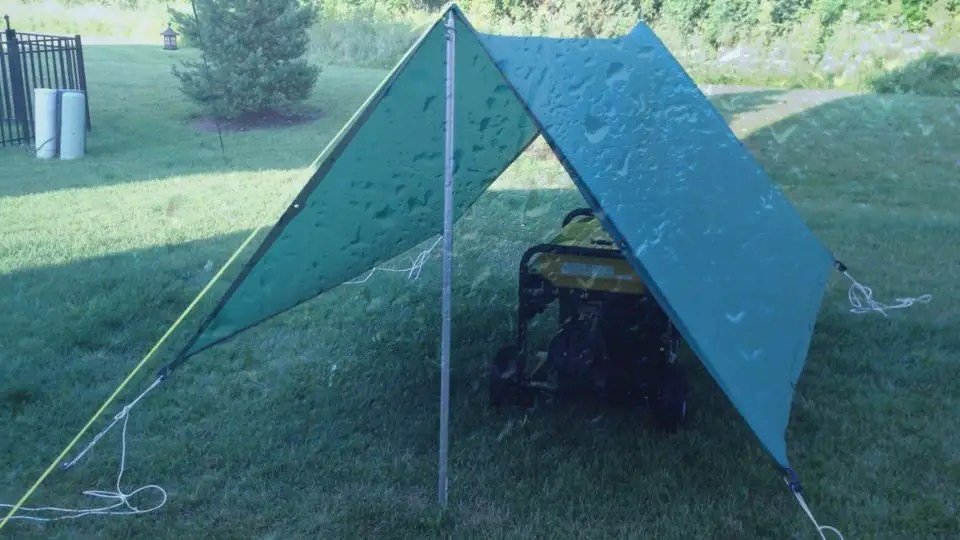
These are the heroes that let you safely run your generator outdoors during inclement weather. Operational covers feature ingeniously engineered ventilation systems that allow heat exhaust and proper airflow while meticulously keeping rain and snow away from sensitive components.
They typically consist of a sturdy frame and a tent-like structure that lifts the fabric away from hot engine parts and directs exhaust safely away. Specific openings are positioned away from the generator's exhaust and air intake to maintain safe operation and prevent CO accumulation.
Your absolute priority: Always verify your cover is specifically rated for "while-running" use and clearly states it allows safe operation before ever attempting to run your generator with it installed. Look for explicit labeling like "Running Cover," "Operational Cover," or "Generator Tent."
Decoding Your Options: Key Factors to Consider When Buying
Choosing the right generator cover means understanding what makes one cover superior to another for your specific needs. Let's break down the essential buying factors.
1. Material Quality: The Foundation of Protection
The fabric and frame material dictate how well your cover will perform and how long it will last.
- 600D Oxford Fabric: This is a fantastic middle-ground, offering an excellent balance of durability and value. "600D" refers to the denier count, indicating thread thickness. It resists tearing, maintains flexibility in cold weather, and typically lasts 3-5 years. Many 600D Oxford covers are also PVC-lined for enhanced waterproofing.
- Heavy-Duty Canvas: A premium choice for ultimate protection. Canvas provides superior durability, extreme weather resistance, and often lasts 5+ years. It's highly recommended for permanent outdoor installations or generators exposed to consistently harsh climates.
- Polyester (often 600-denier): Common for budget-friendly storage covers. Polyester offers good water resistance and UV protection, especially when PVC-lined. However, it can degrade faster than Oxford fabric or canvas under constant, intense UV exposure.
- Vinyl: Frequently used for operational covers due to its excellent water repellency and, crucially, its fire-retardant characteristics, which are vital for a cover used around a hot engine.
- Tarpaulin: A durable and naturally waterproof material, often laminated for extra strength. It’s a good choice for robust protection.
- Frame Material (for running covers): If you're buying a running cover, the frame is just as important as the fabric. Look for stainless steel poles. These are crucial for durability, rust and corrosion resistance, and the ability to withstand foul weather, strong winds, and even snow loads without collapsing.
2. Getting the Sizing Right: A Snug Fit is Essential
A cover that's too small won't fit, and one that's too big can flap in the wind or collect water. Precise measurement is key.
Measurement Steps:
- Length (L): Measure from the frontmost point to the rearmost point. Crucially, include any protrusions like handles, wheel kits, or power outlets that cannot be removed or folded away.
- Width (W): Measure at the widest point side-to-side, which is typically around the fuel tank area or wheel axle.
- Height (H): Measure from the ground to the very highest point of the generator, usually the top of the engine or the highest point of a handle system.
- Add 2-3 Inches: Once you have your exact L, W, and H, add 2-3 inches to each dimension. This extra allowance ensures a proper, slightly relaxed fit, allowing for easy placement and removal, and critically, promotes airflow to prevent moisture buildup and corrosion underneath.
Pro Tip: Always measure your generator with the fuel tank attached and any handle systems in their deployed or "ready-to-use" position if that's how it will be stored or covered. A slightly loose cover is always better than one that's too tight or doesn't fit at all.
3. Bulletproofing Against the Elements: Critical Weather Protection Features
A generator cover's primary job is to shield your equipment from the elements. Look for these crucial features:
- Waterproof vs. Water-Resistant:
- Waterproof: Essential for any generator stored outdoors without additional shelter. These covers use special coatings, laminates, or sealed seams that completely prevent water penetration, even in heavy, prolonged rain or melting snow.
- Water-Resistant: These covers shed light rain or drizzle but may allow moisture to seep through in heavy downpours or over extended periods. Generally suitable for generators stored under an awning or in a shed where only incidental moisture is a concern.
- UV Protection: The sun's ultraviolet rays are a silent killer for outdoor equipment. UV-resistant coatings are vital to prevent sun damage—things like faded paint, cracked plastic components, and deteriorated rubber seals. This not only extends the life of your generator but also prevents the cover itself from becoming brittle and failing prematurely. Lighter-colored covers can also reflect sunlight, helping to keep the generator cooler.
- Ventilation:
- For Running Covers: As discussed, ventilation is non-negotiable. It allows the safe escape of hot exhaust gases and prevents dangerous carbon monoxide accumulation around the generator.
- For Storage Covers: Even when your generator is off, ventilation is important. Strategically placed vents (often mesh panels) allow trapped moisture to escape, preventing condensation buildup, which can lead to corrosion, mold, and mildew.
4. Staying Put: Securing the Cover Against Wind
A cover is useless if it blows away. Wind is the primary cause of covers being removed, so secure attachment is crucial.
- Elastic Hems: A basic securing method, providing a snug fit around the base. Good for calm areas or indoor storage where wind isn't a factor.
- Drawstring Closures: Offer more adjustability and allow you to cinch the cover tighter around the base. These work better in areas with moderate wind conditions.
- Buckle Strap Systems: The gold standard for security. These adjustable straps, often running underneath the generator or connecting to its frame, provide the most secure attachment. They are highly recommended for any area experiencing winds over 15 mph or for generators stored in exposed locations.
Tailoring Your Choice to Your Climate
Your local weather patterns should heavily influence your cover selection.
- Rainy Regions (Pacific Northwest, Southeast US): Your top priority is a fully waterproof cover. Look for materials like heavy-duty canvas, vinyl, or 600D Oxford with strong PVC lining and sealed seams. Secure closures (drawstrings or buckle straps) are essential to prevent water from wicking up underneath or wind from dislodging the cover.
- Snowy Climates (Northeast, Mountain States): You need robust, heavy-duty materials that can withstand the weight of accumulated snow without tearing or collapsing. Heavy-duty canvas or thick 600D Oxford fabrics are ideal. Dark-colored covers can offer a slight advantage by absorbing solar heat, potentially helping to melt snow. Ensure the cover extends fully to the ground to protect against snowdrifts.
- Sunny & Hot Areas (Southwest, Florida): UV protection is paramount here. Look for covers with advanced UV-resistant coatings. Lighter-colored materials will reflect more sunlight and help keep the generator cooler, reducing heat stress on its components. Breathable materials or well-placed vents are also important to prevent heat buildup underneath the cover.
- Coastal Regions (Anywhere near the ocean): Salt air is highly corrosive. Prioritize waterproof covers with a very snug fit (buckle straps are a must) to prevent salty mist from reaching the generator. Consider covers where any metal components (like zippers or frame poles for running covers) are specifically corrosion-resistant or stainless steel.
Our Top Picks: The Best Generator Covers Reviewed
After extensive evaluation based on material quality, design, safety features, and real-world performance, here are our recommendations for generator covers that truly deliver.
Overall Best (Running Cover): IGAN Generator Cover
The IGAN Generator Cover consistently comes out on top for its intelligent design and robust performance, especially for safe operation in foul weather.
- Why We Love It: This cover features a sturdy stainless steel frame that creates a protective tent over your generator, ensuring proper distance from hot engine parts. The cover itself is made from heavy-duty, UV-protected vinyl tarp, known for its durability and fire-retardant properties. Its standout feature is the ability to raise three side flaps, allowing safe operation in rain, snow, and wind while keeping sensitive components completely dry.
- Performance: Rigorous testing has shown the IGAN cover performing flawlessly in challenging conditions, withstanding 25 mph winds and 2.5 inches of simulated rain with no water intrusion. Critically, it prevents exhaust buildup, meaning no CO auto shutoff issues during operation.
- Compatibility: It's a versatile fit for most open-frame generators ranging from 3,500W to 12,000W, making it suitable for a wide array of popular models.
- Ideal For: Anyone who needs to run their generator outdoors, even during storms, and prioritizes safety and generator longevity.
Budget-Friendly Option: SHINESTAR Generator Cover
For those needing basic, reliable protection without breaking the bank, the SHINESTAR cover is a solid choice.
- Why We Love It: Available for under $10, this cover provides excellent value. It's typically made from water-resistant polyester, offering good protection against dust, dirt, and light rain. It's designed primarily as a storage cover, meaning it should not be used while the generator is running.
- Features: Often includes an elastic hem for a snug fit. While it may not have the heavy-duty features of premium covers, it's perfect for keeping your generator clean and protected from general elements when stored in a garage, shed, or under an overhang.
- Ideal For: Users who primarily store their generators indoors or in semi-protected outdoor areas and need basic dust and light moisture protection. Remember, this is a storage-only cover.
Beyond the Purchase: Care and Longevity for Your Cover
Even the best generator cover needs a little love to last. Proper maintenance ensures it continues to protect your investment for years.
Cleaning Your Cover
- Remove Debris: Gently brush off any loose dirt, leaves, or snow.
- Hand Wash Only: Use a mild soap (like dish soap) and cool water. Avoid harsh detergents or bleach, which can damage the fabric and coatings.
- Rinse Thoroughly: Ensure all soap residue is removed.
- Air Dry: Crucially, air dry your cover only in a shaded area. Never put it in a washing machine or dryer, as heat will degrade the waterproof coatings and fabric integrity.
Storing Your Cover (When Not in Use)
When your generator is in action, or the weather is clear, and you've removed the cover, store it properly:
- Cool, Dry Place: Keep it away from direct sunlight and extreme temperatures.
- Fold Loosely: Avoid tight creases, which can stress the fabric and coatings over time.
Knowing When It's Time for a Replacement
Even the highest quality covers have a lifespan. Here are the signs it's time to invest in a new one:
- Faded Color: Significant fading indicates UV degradation, meaning the protective coatings are breaking down.
- Irreparable Tears or Rips: Small tears can be patched, but large or numerous tears compromise protection.
- Loss of Waterproof Coating: If water visibly soaks through the fabric rather than beading up and rolling off, its waterproofing has failed.
- Brittle Fabric: The material feels stiff, cracks, or easily tears when handled.
Generally, quality covers last 3-5 years, while budget options might require replacement every 1-2 years. Regularly inspecting your cover will help you spot these issues early.
Common Questions About Generator Covers
Let's address some common queries that often come up about generator protection.
Is it safe to store a generator outside if protected by a proper cover?
Yes, it is generally safe to store a portable generator outside if it's protected by a high-quality, weatherproof cover specifically designed for outdoor storage. The cover shields it from rain, snow, UV rays, dust, and debris. While storing generators inside your home is a strict no-go due to carbon monoxide risk, a garage or shed is acceptable, and a well-covered outdoor spot works too.
Do whole-house/standby generators require covers?
Typically, no. Whole-house or standby generators are designed for permanent outdoor installation and come encased in their own protective, weather-resistant housing from the factory. They are built to withstand the elements without an additional cover.
Should I cover my portable generator even if I store it in a garage or shed?
Absolutely. Even in a garage or shed, a cover provides an excellent barrier against dust, dirt, cobwebs, and accidental knocks. This helps keep your generator clean, extends its cosmetic life, and ensures it's ready for action.
Where should I place my generator when operating it, even with a running cover?
Even with an operational cover, safe generator placement is paramount. Always operate your generator a minimum of 20 feet away from any doors, windows, or vents leading into your home or any other building. Ensure the exhaust is always facing away from the home. This crucial safety measure helps prevent carbon monoxide poisoning. No cover, however advanced, negates the need for safe operating distances.
Protecting Your Investment: The Smart Move for Reliable Power
Choosing the right generator cover isn't just about keeping it clean; it's about safeguarding its performance and longevity. From understanding the vital safety difference between storage and running covers to selecting the right material and ensuring a secure fit, every decision contributes to your generator's reliability. By investing wisely in one of the top generator cover brands and styles, you're not just buying a piece of fabric; you're buying peace of mind, knowing your power source will be there for you when the lights go out.