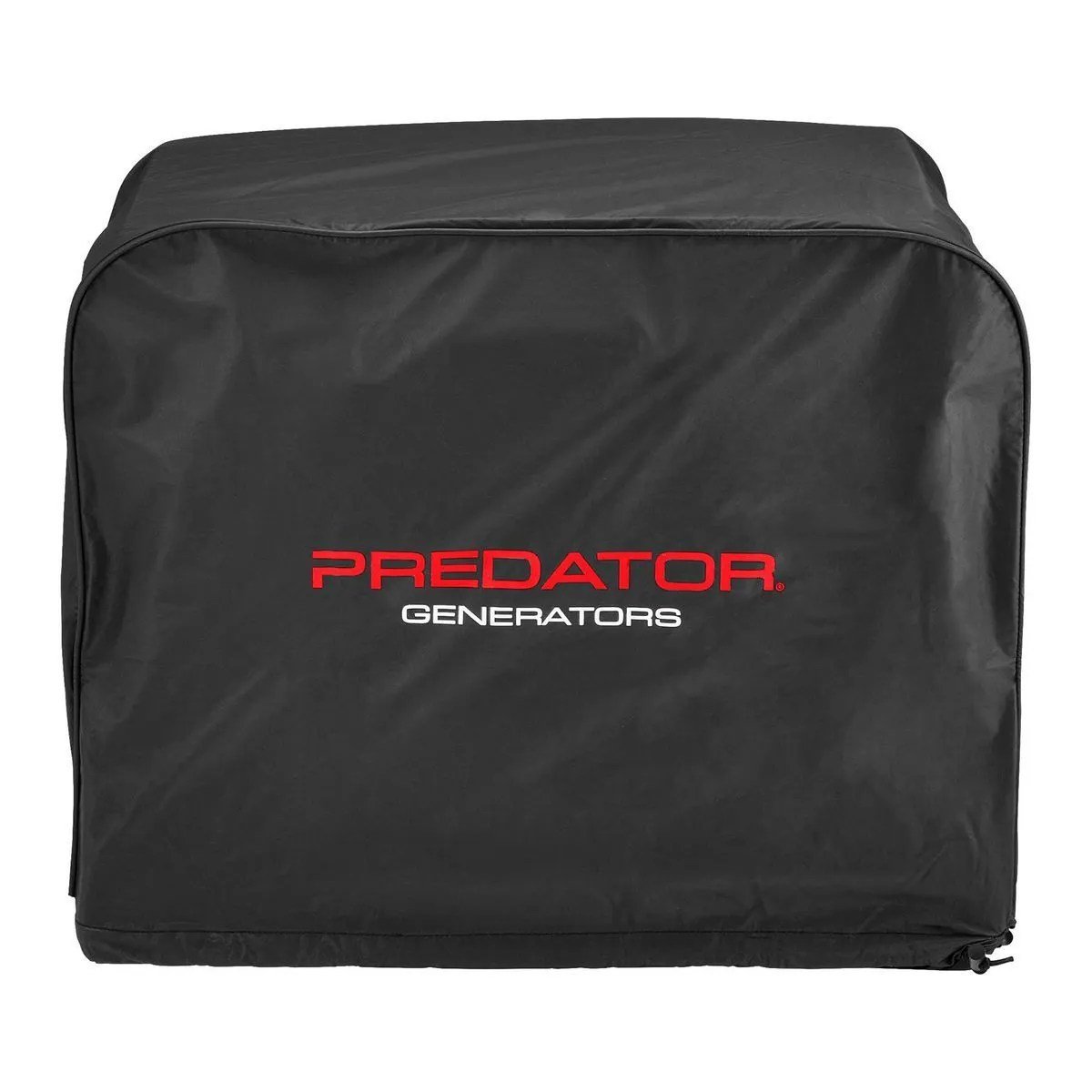
Your generator is more than just a piece of equipment; it's your lifeline when the power goes out, a source of comfort and security. But like any vital investment, it needs protection. Deciding how to choose the right generator cover isn't just about throwing a tarp over it; it's about smart safeguarding against the elements, ensuring it's ready to roar to life precisely when you need it most.
A quality generator cover is your first line of defense, extending your generator's lifespan and preventing costly, frustrating breakdowns. Without one, you're exposing delicate components to rain, snow, harsh UV rays, dust, and debris – all culprits that lead to rust, corrosion, engine clogging, and electrical failures. Think of it as insurance for your peace of mind and your wallet; a $30-$70 cover can save you hundreds in repairs or thousands on a premature replacement.
At a Glance: Key Takeaways for Choosing Your Generator Cover
- Measure Precisely: Always measure your generator's length, width, and height, then add a few inches for handles or wheels to ensure a perfect, snug fit.
- Prioritize Materials: Look for heavy-duty, waterproof fabrics like polyester or oxford, ideally with UV protection and reinforced seams.
- Don't Forget Ventilation: Integrated vents are crucial to prevent moisture buildup and overheating, especially if you plan to run the generator while covered.
- Running vs. Storage: Never use a standard storage cover while your generator is operating; only use specialized "running covers" designed for safe, in-operation use.
- Secure It Well: Straps, buckles, or weights are essential to keep your cover in place, especially in windy conditions.
- Invest Smart: A slightly higher investment in a durable cover saves money in the long run by preventing frequent replacements and costly generator repairs.
Why Your Generator Needs a Shield (And Why It Matters to You)
You wouldn't leave your car exposed to a hailstorm or let your valuable tools rust in the rain, so why treat your generator any differently? This powerhouse, often stored outdoors or in a garage, is vulnerable to a surprising number of threats. Rain and snow can seep into electrical components, causing shorts and corrosion. Persistent dust and debris can clog air filters and fuel lines, starving the engine. Harsh UV rays from the sun degrade plastic parts and paint, leading to cracks and fading. Even strong winds can introduce moisture and grime into places you don't want it.
Without adequate protection, your generator's internal mechanisms suffer, leading to decreased efficiency, difficult starts, and ultimately, a shortened life. This isn't just about aesthetics; it's about reliable performance when emergencies strike. A generator that fails because of neglected maintenance due to exposure is a problem you can easily prevent.
Getting the Right Fit: The Non-Negotiable First Step
Imagine trying to wear a hat that's three sizes too big or too small. It's either flapping uselessly or doesn't cover what it should. The same principle applies to your generator cover. A cover that's too tight won't fit, and one that's too loose will billow in the wind, allowing water and debris underneath, and potentially even flying off.
Here's how to measure your generator like a pro:
- Length: Measure from the longest point on one end to the longest point on the other. Don't forget any protruding handles or extended frames.
- Width: Measure across the widest part of the generator, typically from wheel to wheel or across the control panel.
- Height: Measure from the ground to the tallest point, including any handles, fuel caps, or exhaust pipes.
The Golden Rule: Always add a few extra inches (2-4 inches per dimension) to your measurements. This provides a little breathing room for a snug, protective fit that's easy to put on and take off, and accounts for any slight variations or accessories you might have missed. A cover that just fits might stretch and tear over time, or become incredibly difficult to remove when you're in a hurry. You want it to drape comfortably, not cling tightly.
Beyond the Basics: Materials That Stand Up to Anything
The material of your generator cover is its armor, dictating its durability and resistance to the elements. Skimp here, and you'll be replacing covers frequently, leaving your generator vulnerable in between.
- Heavy-Duty Polyester: This is a popular choice for good reason. It's tough, resistant to stretching and shrinking, and when treated, offers excellent water resistance. Look for higher denier counts (e.g., 600D or 1200D), which indicate a denser, more durable weave.
- Oxford Fabric: A specific type of woven fabric, often made from polyester or nylon, known for its strength and lustrous finish. Oxford fabrics are also commonly coated for water repellency and durability.
- Tarpaulin: While basic tarps are common, a quality tarpaulin cover for generators will be specifically designed for this use. These are incredibly waterproof and durable, often used in more industrial settings or for heavy-duty protection.
- UV Protection: Crucial for generators stored outdoors. UV rays are brutal on fabrics, causing them to fade, become brittle, and crack over time. A cover with a UV-resistant coating will last significantly longer under the sun.
- Reinforced Seams and Corners: The weakest points of any fabric item are its seams. Double-stitching, taped seams, or even heat-sealed seams prevent water penetration and tearing. Reinforced corners add an extra layer of protection against rips and abrasions, especially if your generator has sharp edges.
Choosing a cover with these material qualities ensures it won't just keep your generator dry, but also shield it from intense sun, sharp debris, and general wear and tear for years to come.
Breathing Room: Why Ventilation is Key
It might seem counterintuitive to put holes in a waterproof cover, but proper ventilation is non-negotiable for generator health. Without it, you create a greenhouse effect underneath the cover, trapping moisture and heat.
- Preventing Moisture Buildup: Condensation can form when temperatures fluctuate, leading to rust and mold growth on your generator's components. Strategically placed air vents, often covered with mesh to keep out insects and debris, allow air to circulate, preventing this moisture trap.
- Heat Dissipation: If you're using a running cover (more on these in a moment), proper ventilation is absolutely critical to prevent your generator from overheating. Generators produce a significant amount of heat during operation, and trapping it can lead to engine damage, reduced efficiency, and even fire hazards. Even for storage, allowing some heat to escape after a run is beneficial.
Good ventilation ensures your generator stays dry, cool, and free from the insidious effects of trapped humidity, extending its life and maintaining its performance.
Decoding Generator Cover Types: Finding Your Match
Generator covers aren't one-size-fits-all. Different needs and environments call for different types of protection. Understanding these distinctions is crucial for making the right choice.
Universal Fit vs. Custom Fit
- Universal Fit: These covers are designed with adjustable features (like drawstrings, elastic hems, or buckles) to accommodate a range of generator sizes. They're often more cost-effective and a good option if you have a common generator model or if you might upgrade your generator later.
- Custom Fit: Tailored for specific generator models, these covers offer a glove-like fit that provides enhanced protection. They're less prone to flapping in the wind and generally look more streamlined. If you own a popular model like a Honda or a Champion, you'll likely find custom-fit options available.
Specialized Protection: Matching Your Environment
- Waterproof Covers: A must-have for any outdoor storage, especially in wet climates. Look for materials like heavy-duty polyester with a PVC coating or tarpaulin, and crucially, sealed or taped seams to prevent any water ingress.
- Insulated Covers: If you live in a region with freezing winters, an insulated cover can be invaluable. It helps maintain the generator's internal temperature, making it easier to start in cold weather and protecting components from extreme cold, which can affect battery life and fuel lines. Some might also offer a slight reduction in operating noise.
- Heavy-Duty Covers: Built from extra-thick, robust materials (e.g., 1200D polyester) and featuring superior reinforcement, these are for those who demand maximum durability. Ideal for generators used in harsh environments, construction sites, or where physical abrasion is a concern.
The Game Changer: Covers for Generators in Operation (Running Covers)
This category is perhaps the most important distinction, offering both convenience and safety. Traditional covers are designed for storage only. Using one while your generator is running is a serious fire hazard due to trapped heat and exhaust fumes.
Running Covers, also known as Vented or Tent-Style Covers, are engineered to allow safe operation of your generator in various weather conditions.
- How They Work: These covers typically feature a sturdy frame that elevates the cover above the generator, creating an air gap for circulation and heat dissipation. They have large, strategically placed vents, open flaps for exhaust, and access panels for refueling and controls. This design protects the generator from rain, snow, and wind while it's actively generating power, preventing power outages during storms from also ruining your generator.
- Key Brands: Companies like IGAN, GenTent, and GENSHED specialize in these types of covers. They've become essential for anyone who relies on their generator for extended periods during inclement weather. They are designed to withstand high winds and heavy precipitation, ensuring your power stays on without risking your equipment.
When considering a running cover, always verify that it is explicitly rated for "in-operation" use and designed to handle exhaust without trapping carbon monoxide. Your safety and your generator's longevity depend on it.
Ease of Use & Smart Features: Your Everyday Convenience
A generator cover should protect your investment, but it shouldn't be a hassle to use. Thoughtful design features can make a big difference in your daily experience.
- Simple Installation and Removal: Look for covers with intuitive designs that make setup and takedown quick. Clear instructions are a plus.
- Securing Mechanisms:
- Velcro Straps: Offer quick adjustments and a secure fit.
- Zippers: Provide full access or allow you to open sections. Look for heavy-duty, weather-resistant zippers.
- Quick-Release Buckles: Excellent for fast securing and removal, especially if you need to deploy your generator in a hurry.
- Drawstrings/Elastic Hems: Help cinch the cover tightly around the base of the generator, preventing wind from lifting it.
- Quick Access Features: Imagine needing to refuel your generator in the middle of a storm, only to have to wrestle off the entire cover. Smart covers include:
- Fuel Flaps: Zippered or Velcro-sealed openings that allow you to access the fuel tank directly without removing the main cover.
- Control Panel Openings: Similar flaps or clear windows that let you monitor gauges or flip switches easily.
- Portability: If you frequently move or store your generator, a lightweight cover with integrated handles can be a convenient feature for transport and handling.
These seemingly small details contribute significantly to the overall user experience and can save you time and frustration when you're under pressure.
Budgeting for Protection: Investing Smart, Not Just Spending
When shopping for a generator cover, you'll find options ranging from basic, inexpensive models to premium, feature-rich versions. It's tempting to grab the cheapest one, but think long-term.
A low-cost cover might save you $20 upfront, but if it tears after a single season or leaks in the first heavy rain, you'll be buying another one sooner than you think. This often leads to a cycle of frequent replacements and periods where your generator is left exposed.
The value proposition is clear: A slightly higher investment in a durable, well-made cover with superior materials and construction can easily last for years. This not only avoids the recurring cost of new covers but, more importantly, prevents the far more expensive repairs or early replacement of your generator itself. Given that generator repairs can run $100-$300 each, and a new generator can cost $500-$3,000, that initial $30-$70 investment in a quality cover is a no-brainer. It's an investment in the longevity and reliability of your emergency power source.
Trusted Brands & What Customers Say
While many brands offer generator covers, some have built a reputation for quality and reliability. When you're making your choice, looking at these names and considering customer feedback can guide you:
- Champion: A leading generator manufacturer, their covers are often custom-fit for their own popular models and known for good basic protection.
- Classic Accessories: A strong player in outdoor equipment covers, known for durable fabrics and practical designs.
- GenTent: A specialist in "running covers," GenTent is highly regarded for its innovative frame-supported designs that allow safe operation in all weather.
- Honda: Like Champion, Honda offers covers designed for their own generators, typically reflecting their brand's commitment to quality.
- Westinghouse: Another well-known generator brand, offering covers that complement their product line.
- Porch Shield: Frequently praised for their heavy-duty, waterproof covers that offer good value.
- IGAN / GENSHED: Similar to GenTent, these brands focus on robust, tent-style running covers built for extreme weather.
- WLEAFJ & Zettum: These brands often appear with positive reviews for offering feature-rich, durable covers at competitive price points.
When sifting through customer reviews, pay attention to consistent feedback on: - Fit: Does it accurately match the generator dimensions?
- Material Strength: Does it hold up to UV, wind, and rain?
- Durability: How long does it last before showing wear or tears?
- Ease of Use: Are straps and access points convenient?
These insights from real-world users can be incredibly valuable in guiding your decision. And remember, for even more options and detailed product comparisons, you can always explore generator covers from various retailers.
Beyond the Cover: Keeping Your Generator Primed
Choosing the right cover is a huge step, but it’s part of a larger picture of responsible generator ownership. Here’s how to ensure your power backup is always ready.
Securing the Cover: Don't Let It Fly Away
Even the best cover is useless if it blows off in the first strong gust of wind.
- Straps and Buckles: Most quality covers come with integrated straps and buckles that cinch around the base of the generator. Make sure these are tightened securely.
- Elastic Hems/Drawstrings: These help create a snug fit at the bottom, further resisting wind lift.
- Weights (Optional): For extremely windy areas, or if your cover lacks sufficient securing mechanisms, consider placing small weights (like sandbags or bricks) on the bottom hem to anchor it.
Regular Maintenance: A Clean Cover Protects Better
Your cover works hard, so give it a little TLC.
- Cleaning: Periodically clean your cover with a damp cloth and mild soap. Dirt, dust, and pollen can accumulate, potentially promoting mold growth or simply looking unsightly.
- Drying: Always ensure the cover is completely dry before storing it, especially if you remove it for an extended period. Storing a damp cover is an open invitation for mold and mildew.
- Inspection: Regularly inspect the cover for any signs of damage—small tears, holes, or fraying seams. Minor issues can often be patched or repaired before they become major vulnerabilities.
- Storage: If you remove the cover for an extended period, store it in a cool, dry place away from direct sunlight to prolong its life. Avoid using harsh chemicals or abrasive cleaners, which can degrade the material and its protective coatings.
The 20/20/20 Rule for Generator Health
Beyond covering, your generator needs to be run periodically to stay in top shape. Follow the 20/20/20 Rule: Run your generator for 20 minutes every 20 days at 20% load. This simple practice lubricates moving parts, circulates fuel and oil, and helps prevent mechanical issues like carburetor gumming, ensuring your generator starts reliably when you need it most.
DIY Generator Covers: Is It Worth the Effort?
When commercial covers aren't an option or you have a uniquely shaped generator, a DIY approach might cross your mind. But weigh the pros and cons carefully.
Pros of DIY Covers:
- Inexpensive: You can often use materials you already have or source them cheaply.
- Customizable: Perfect for generators with unusual dimensions or accessories that standard covers don't accommodate.
- Material Choice: You get to pick the exact fabric and level of protection you want.
Cons of DIY Covers:
- Less Durable: Without professional-grade materials and construction, DIY covers often lack the longevity and robust weather resistance of commercial options.
- Lacks Professional Features: You might miss out on specialized waterproof seams, precise ventilation systems, or convenient access flaps.
- Time-Consuming: Measuring, cutting, and assembling a cover can take significant time and effort.
- Fit Issues: Achieving a perfectly snug and protective fit can be challenging without experience.
Steps for a Basic DIY Cover:
- Gather Materials: Heavy-duty, waterproof fabric (like canvas treated with waterproofing spray) or a robust tarp. Consider grommets, bungee cords, or strong rope for securing.
- Measure Accurately: Re-measure your generator's length, width, and height, adding a generous allowance for seams and an overhang.
- Cut the Fabric: Cut the main top piece and four side pieces.
- Assemble: Stitch the sides to the top using a strong, weather-resistant thread. If sewing isn't an option, use waterproof adhesive or heavy-duty tape for seams.
- Add Securing Features: Install grommets around the bottom edge and use bungee cords or ropes to cinch the cover tightly. Alternatively, attach Velcro straps or buckles.
- Ventilation (Crucial!): If you plan to ever run the generator even momentarily with the cover, strongly consider adding mesh-covered ventilation holes or creating a tent-like structure above the generator. For storage, even basic vents are important.
- Test: Place the cover on your generator and test its fit, security, and water resistance during a light rain. Adjust as needed.
While DIY can be a creative solution, remember that the primary goal is protection. If you're not confident in your ability to create a truly waterproof and secure cover, a commercial option is usually the safer and more effective choice.
Your Top Questions Answered (FAQs)
Can I run my generator with a standard cover on?
Absolutely not. Never run your generator with a standard, non-vented storage cover on. Doing so traps heat and exhaust fumes, leading to severe overheating, potential engine damage, and a very serious fire hazard. Only use covers explicitly designed and labeled for "running use" or "in-operation," which feature proper ventilation and exhaust routing.
How do I properly measure my generator for a cover?
Measure the length, width, and height of your generator at its widest and tallest points. Always add an extra 2-4 inches to each dimension to ensure a comfortable, easy-to-use fit that covers all accessories like handles and wheels.
How much power does my generator need?
This question, while not directly about covers, is vital for generator owners. To determine your generator's power needs, list all the devices you plan to power during an outage. For each device, find its running watts (what it needs to operate continuously) and its starting watts (the momentary surge needed to turn on, typically higher than running watts). Add up the running watts for all devices you'll use simultaneously, then identify the single device with the highest starting watts. Your generator should be able to handle the total running watts plus that single highest starting surge.
What's the best way to secure my cover in strong winds?
Look for covers with robust securing mechanisms like strong buckle straps, elastic hems, or drawstrings that can be cinched tight around the base of the generator. Ensure all straps are fastened snugly. For extremely windy areas, you might consider adding weights (like small sandbags) around the bottom hem for extra stability.
How often should I clean my generator cover?
It's a good practice to clean your generator cover seasonally, or more frequently if it's exposed to a lot of dust, dirt, or debris. A simple wipe-down with a damp cloth and mild soap is usually sufficient. Always ensure it's completely dry before putting it back on the generator or storing it away to prevent mold and mildew growth.
Making Your Choice: A Final Word on Generator Protection
Choosing the right generator cover isn't a trivial decision; it's a vital step in protecting your investment and ensuring your family's safety and comfort during power outages. By taking the time to measure accurately, prioritize durable and weather-resistant materials, understand the different cover types (especially the critical distinction of running covers), and consider user-friendly features, you're not just buying a piece of fabric. You're buying peace of mind.
A well-chosen cover ensures that when the lights go out and you need your generator most, it's not fighting against rust, corrosion, or clogged components. It's ready, waiting, and primed to deliver the power you depend on, reliably and efficiently, for years to come.