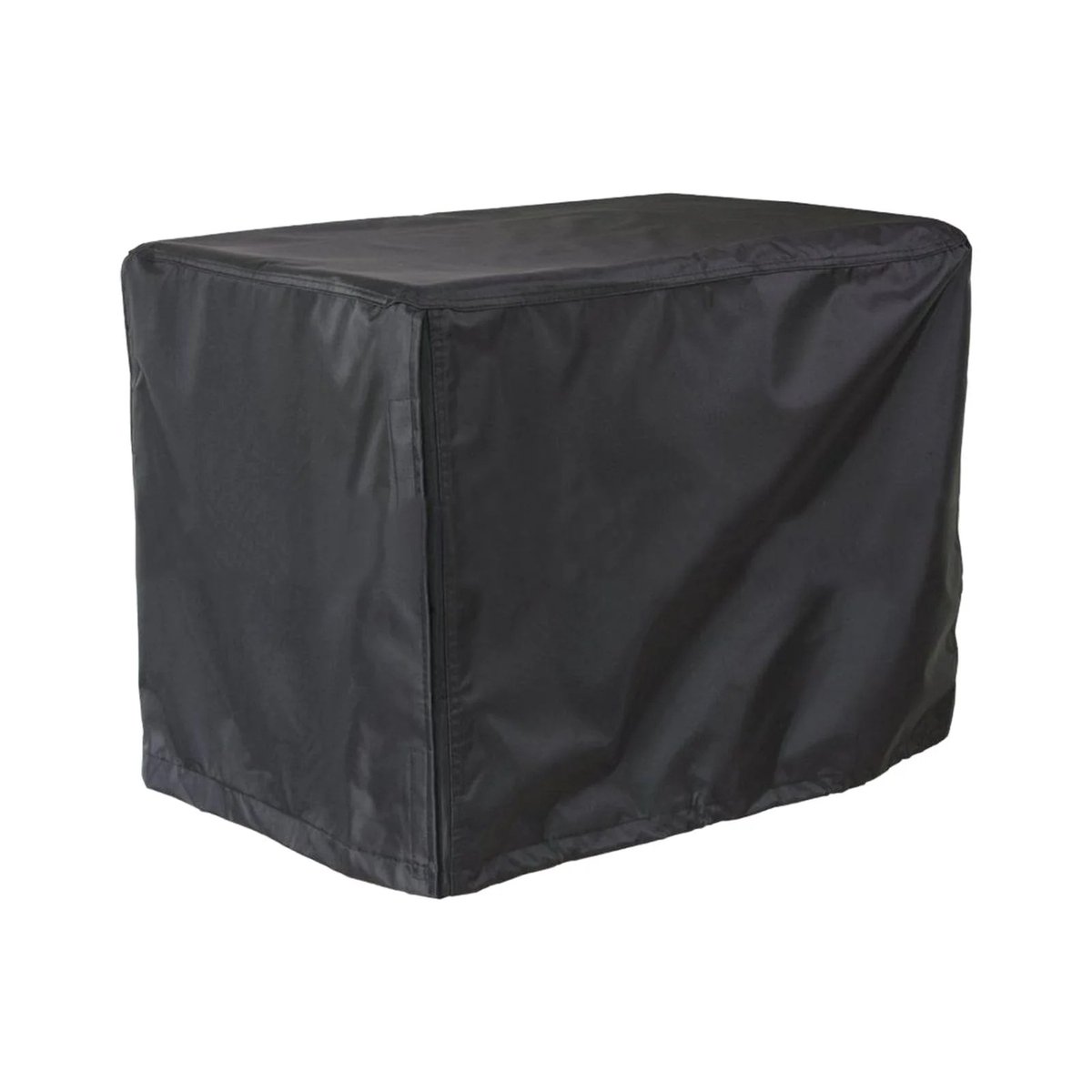
When the power goes out, a generator can be a lifesaver, keeping your home warm, your food fresh, and your devices charged. But operating one safely, especially with a cover, requires careful attention to Generator Cover Safety & Ventilation. The goal is a delicate balance: protect your generator from the elements and reduce noise, all while ensuring it can breathe freely and safely dissipate harmful exhaust. Neglecting this balance isn't just a risk to your generator’s lifespan; it's a direct threat to your own health and safety.
At a glance: Key Takeaways for Generator Cover Safety
- Ventilation is Non-Negotiable: Generators produce heat and deadly carbon monoxide (CO); proper airflow prevents overheating and CO buildup.
- Outdoor Operation Only: Always run generators outside, far from windows, doors, and vents.
- Choose the Right Cover: Use only specially designed, operational generator covers or enclosures that allow ample airflow.
- Never Use Storage Covers While Running: Standard storage covers block airflow and trap exhaust, leading to extreme hazards.
- Clearance is Crucial: Maintain at least 3 feet of unobstructed space around your generator for air circulation.
- Follow Manufacturer Guidelines: Your generator's manual is your ultimate guide for safe operation and cover usage.
- Invest in a CO Detector: A battery-operated carbon monoxide detector is a vital safety backup, even with perfect ventilation.
The Unseen Threat: Why Ventilation isn't Optional
Imagine trying to run a marathon in a sealed box – you'd quickly overheat and suffocate. A generator, in essence, is doing the same thing. It’s an internal combustion engine, converting fuel into electricity, and in the process, it generates two critical byproducts that demand careful management: heat and exhaust gases, primarily carbon monoxide.
Overheating: The Silent Destroyer
A generator running without adequate airflow can quickly become a furnace. Trapped heat leads to:
- Component Damage: Electrical windings, engine parts, and sensitive electronics can degrade rapidly under excessive heat, shortening your generator's lifespan.
- Reduced Efficiency: An overheated engine struggles to perform, burning more fuel to produce less power.
- Fire Hazard: Extreme temperatures, especially near fuel lines, significantly increase the risk of ignition and fire, turning your helpful machine into a dangerous inferno.
Carbon Monoxide: The Invisible Killer
Even more insidious than overheating is the production of carbon monoxide (CO). This colorless, odorless, and tasteless gas is a byproduct of incomplete combustion. When inhaled, CO replaces oxygen in your bloodstream, leading to symptoms like headaches, dizziness, nausea, and eventually, loss of consciousness and death.
Crucially: CO can quickly accumulate to lethal levels in poorly ventilated or enclosed spaces. Every year, generators are linked to CO poisoning incidents, many of which are fatal. Operating your generator, even with a cover, in a way that traps this gas is playing with fire – literally and figuratively.
Decoding Generator Covers: Not All Protection is Safe Protection
When you think of a generator cover, you might picture something that keeps it dry or quiet. While those are valid functions, the type of cover and how it's used are paramount for safety. You can Learn more about generator covers in depth to understand the various designs and materials available.
The Critical Distinction: Operating Covers vs. Storage Covers
This is perhaps the single most important safety lesson regarding generator covers:
- Specially Designed Operating Covers & Ventilated Enclosures: These are the only types of covers safe to use while your generator is running. They are engineered with specific features to facilitate airflow, dissipate heat, and direct exhaust gases away safely. Think durable, weather-resistant materials often combined with strategic openings, vents, and sometimes even integrated fan systems.
- Non-Operational Storage Covers: These covers, typically made from thick, impermeable materials (like heavy vinyl or canvas), are designed to protect your generator from dust, moisture, and UV rays when it is off and completely cool. They are absolutely NOT for use while the generator is running. Using a storage cover during operation will severely restrict airflow, trap exhaust gases, and inevitably lead to overheating, fire, and lethal CO buildup.
The simple rule: If it wasn't explicitly designed to be run while the generator is operating, don't use it that way.
The Science of Airflow: What Influences Your Ventilation Needs?
Just like humans, generators "breathe" more or less depending on their size and environment. Understanding these factors helps you ensure optimal ventilation.
Generator Size: Bigger Engine, Bigger Air Needs
It’s intuitive: a larger generator with a more powerful engine produces more heat and more exhaust gases. Consequently, bigger generators inherently demand more substantial and more meticulously planned ventilation systems. What works for a small, portable generator cover simply won't cut it for a whole-house standby unit. Always cross-reference your generator's power output with its ventilation requirements.
Environmental Conditions: The World Around Your Generator
The air temperature and quality surrounding your generator significantly impact its cooling efficiency and ventilation needs:
- Hot Weather: On sweltering days, your generator works harder to dissipate heat into an already warm environment. This increases the demand for robust ventilation. Think of it like trying to cool off on a hot day – you need more airflow.
- Cold Weather: While cold air aids in cooling, proper airflow remains essential. Exhaust must still be directed away, and sufficient oxygen needs to reach the engine. Don't assume cold weather negates ventilation requirements.
- Humidity: High humidity can slightly reduce the efficiency of air-cooling systems, as moist air conducts heat differently. While not a primary concern for most users, it's a minor factor.
- Dusty Environments: Dust and debris can clog air intakes and exhaust vents, effectively creating artificial obstructions and reducing airflow. Regular checks and cleaning are crucial in such conditions.
Building a Safe Haven: What to Look for in a Ventilated Cover
Choosing the right generator cover isn't just about protection; it's about smart design that prioritizes safety.
Materials and Design: Engineered for Safety
A good operational generator cover is a masterclass in compromise – keeping the bad out while letting the good (airflow) in.
- Breathable, Durable, and Water-Resistant Fabrics: Look for covers made from heavy-duty, UV-resistant materials like reinforced polyester, often with a waterproof backing. Crucially, these materials should allow for some breathability, often achieved through specialized weave patterns or mesh panels. For maximum protection from rain, a waterproof generator cover is essential, but it must incorporate design features for ventilation.
- Built-in Vents and Flaps: The hallmark of a safe operational cover. These aren't just decorative; they're strategically placed openings (e.g., on the sides or top) designed to:
- Allow Heat Escape: Hot air rises, so vents near the top are vital.
- Promote Cross-Ventilation: Vents on opposing sides create a natural current.
- Control Airflow: Adjustable flaps allow you to fine-tune ventilation based on weather conditions.
- Openings for Easy Access & Exhaust: The cover should have dedicated cutouts or flaps for:
- Fueling: Safe access without removing the entire cover.
- Control Panel Access: To start, stop, and monitor the generator.
- Exhaust Port: A crucial opening that directs the exhaust gases away from the generator and, more importantly, away from people and buildings. Some covers even integrate extensions or deflectors to guide exhaust further.
- Snug Fit, Not Too Tight: The cover should fit your generator model well, preventing flapping in the wind and ensuring full protection. However, it should never be so tight that it obstructs intended airflow paths or presses against hot engine components.
Placement: The Foundation of Safe Operation
Even the best-designed cover is useless if the generator isn't placed correctly. This is where understanding generator ventilation requirements really comes into play.
- Always Outdoors, Always Open: This cannot be stressed enough. A generator must never be operated inside a garage, basement, shed, crawl space, or any partially enclosed area. Even with the garage door open, CO can accumulate rapidly.
- Ample Clearance: Ensure at least 3 feet (about 1 meter) of clear, unobstructed space around all sides of your generator and its cover. This allows for unrestricted air intake, heat dissipation, and exhaust dispersal.
- Far From Windows, Doors, and Vents: Position your generator as far as possible from any openings that could allow exhaust gases to drift back into your home or a neighbor's. Even a slight breeze can push deadly CO into your living spaces. Consider prevailing wind directions.
- Stable, Level Surface: Place the generator on a flat, stable surface to prevent tipping and ensure optimal performance and safety.
Smart Solutions: Technology Boosting Generator Safety
While traditional covers and mindful placement are foundational, modern advancements are adding extra layers of safety:
- Integrated Fans: Some advanced generator enclosures or covers come with built-in fans. These actively draw fresh air in and push hot, exhaust-laden air out, significantly enhancing ventilation, especially for larger units or in hot climates.
- Smart Technology & Sensors: The cutting edge includes covers or enclosures equipped with sensors that monitor internal temperature, airflow, and even CO levels. These systems can provide real-time data, alert you to potential blockages, or even shut down the generator automatically if unsafe conditions are detected. This offers proactive protection, giving you peace of mind.
Common Pitfalls: What NOT to Do with Your Generator Cover
Despite best intentions, mistakes happen. Knowing what to avoid is as crucial as knowing what to do.
- Using a Tarp: A tarp, while waterproof, is an absolute no-go for an operating generator. It completely seals off airflow and will trap heat and CO, leading to immediate danger.
- Modifying a Storage Cover: Attempting to cut holes or vents into a storage cover to make it "operational" is extremely risky. You won't achieve the engineered airflow patterns required, and the materials aren't designed for sustained heat exposure.
- Operating in Partially Enclosed Structures: Even a seemingly open patio or carport can be hazardous if air circulation isn't perfect. Always default to the most open-air environment possible.
- Blocking Vents or Exhaust: Accidentally placing items against the cover’s vents or exhaust port can negate all safety features. Always ensure these paths are clear.
- Ignoring Manufacturer Guidelines: Don't assume you know best. The engineers who designed your generator know its specific needs. Their guidelines on cover usage, clearance, and operational parameters are your most reliable source of information.
Your Safety Checklist: Essential Guidelines for Peace of Mind
Ensuring generator cover safety and ventilation is an ongoing commitment, not a one-time task. Here’s a summary of best practices to keep in mind every time you fire up your backup power:
- Read Your Generator Manual: Before first use, thoroughly read and understand all safety warnings, operating instructions, and ventilation requirements specific to your generator model. This is your primary resource.
- Choose the Right Cover: Only use covers explicitly designed for operational use with your specific generator. If you're considering a more permanent solution, like building a custom enclosure, be sure to research how to build a portable generator enclosure safely, prioritizing adequate ventilation.
- Optimal Placement:
- Always outdoors, never indoors or in partially enclosed spaces.
- At least 3 feet of clearance on all sides.
- Away from windows, doors, and vents (yours and your neighbors').
- On a stable, level surface.
- Inspect Regularly: Before each use, quickly inspect your generator cover for any damage, tears, or blockages to its vents or exhaust openings. Check the generator itself for any debris that might restrict airflow.
- Install CO Detectors: Place battery-operated carbon monoxide detectors with digital displays in strategic locations throughout your home, especially near sleeping areas. Test them regularly. These are your final line of defense.
- Fuel Safely: Always refuel your generator when it is off and cool. Spilled fuel near a hot engine or exhaust is a fire hazard.
- Never Overload: Do not exceed your generator's rated wattage, as this can cause it to overheat and potentially damage appliances.
Empowering Your Safety, Protecting Your Investment
A generator is a powerful tool that brings comfort and security during outages. With the right generator cover, used correctly and safely, you can protect both your investment and, more importantly, the lives of everyone around it. Prioritize ventilation, follow guidelines, and stay vigilant – because safe power is truly powerful peace of mind.