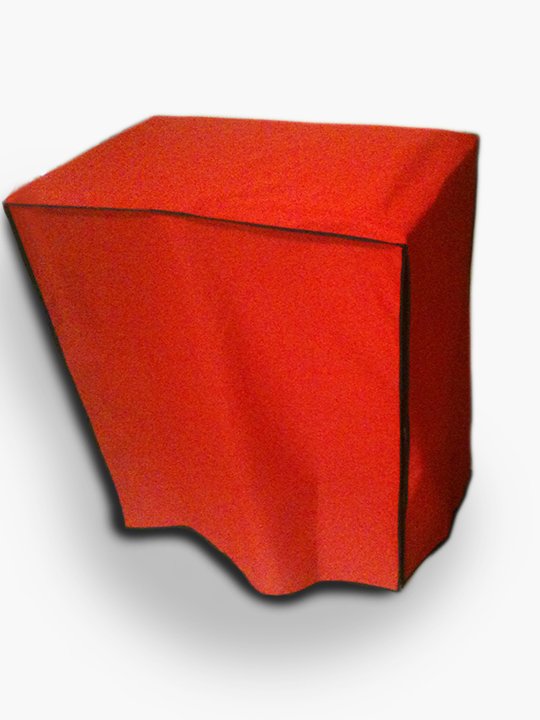
Creating your own DIY & Custom Generator Cover Solutions can feel like a smart move – a way to save money and get exactly what you need. But before you grab your tools, let’s talk about what makes a generator cover truly effective, and why some shortcuts can actually do more harm than good. Your generator is an essential piece of equipment, often a lifeline during outages, so protecting it properly isn't just a nicety; it's a necessity.
Whether you're looking to shield your portable powerhouse from the elements during storage or keep it safe while it’s actively humming through a power cut, understanding the nuances of generator covers is key. We're here to equip you with the knowledge to build (or choose) a solution that truly performs.
At a Glance: Your DIY Generator Cover Essentials
- Protection First: Covers prevent rust, UV damage to plastic/rubber, and debris clogs.
- Ventilation is Vital: Crucial for preventing overheating and safely venting exhaust. This is the #1 DIY challenge.
- Material Matters: Must be waterproof, UV-resistant, and, crucially, heat-resistant near exhaust.
- Pre-Built Advantage: Commercial covers often offer superior weather resistance, tested durability, and integrated safety features.
- DIY Benefits: Cost savings, specific customization, and the satisfaction of building it yourself.
- Avoid Traps: Don't just throw a tarp over it – this can trap moisture and cause rust, the opposite of protection!
- Safety First: Ensure proper clearance from hot parts and exhaust, and use flame-retardant materials where possible.
Why Your Generator Needs a Shield: More Than Just Good Looks
Your portable generator isn't designed to weather every storm on its own. Left exposed, it faces a gauntlet of threats that can quickly degrade its performance and lifespan:
- Rust and Corrosion: Rain, snow, and even high humidity are rust's best friends. Metal components, fuel tanks, and electrical connections are particularly vulnerable.
- UV Degradation: The sun's relentless UV rays can break down plastic and rubber parts over time. Think cracked fuel lines, brittle gaskets, and faded, weakened housing – all leading to expensive repairs or dangerous leaks.
- Debris and Pests: Leaves, dirt, dust, and even curious insects or rodents can clog air filters, cooling fins, and exhaust ports, leading to overheating or poor performance.
- Accidental Damage: A cover acts as a physical barrier, protecting against bumps, scrapes, or accidental contact with hot engine parts.
- Fire Hazards: Accumulated flammable materials like dry leaves or grass near a hot exhaust can pose a serious fire risk. A good cover helps keep these clear.
Ultimately, a quality generator cover extends the life of your investment, ensures it's ready when you need it most, and helps maintain its resale value. It’s an act of preventative maintenance as much as it is a protective barrier.
The Great Debate: Pre-Built vs. DIY – What's Best for You?
When it comes to covering your generator, you essentially have two paths: buying a purpose-built solution or crafting one yourself. Both have their merits, and understanding the differences will guide your decision. For a broader look at available options, you might want to Learn About Generator Covers.
The Case for Pre-Built Generator Covers
Let's be clear: commercial, pre-built generator running covers usually offer significant advantages, especially if you plan to operate your generator in inclement weather.
- Superior Weather Resistance: These covers are engineered to withstand the full spectrum of nature's fury – heavy rain, snow, ice, and relentless UV radiation. Materials like marine-grade vinyl are often used, specifically chosen for their durability and ability to resist rust and corrosion.
- Durable & Heat-Resistant Materials: Many high-quality covers are built from fabrics designed to endure long-term outdoor exposure and withstand extreme heat. Some advanced materials can handle exhaust temperatures up to 1300°F, a crucial safety feature that DIY solutions often struggle to replicate.
- Tailored Design & Perfect Fit: Pre-built covers are usually designed for specific generator models or a range of sizes, ensuring a snug fit that maximizes protection without impeding function. This means precise openings for fuel access, controls, and most importantly, exhaust and ventilation.
- Integrated Ventilation: This is where pre-built solutions truly shine. They feature intelligently designed panels, breathable materials, or strategic flaps that allow for critical airflow to prevent overheating while simultaneously keeping moisture out. This balanced approach is difficult to achieve without experience.
- Enhanced Fire Safety: Beyond keeping debris away, some commercial options, like GenTent safety canopies, are rated flame retardant, especially in exhaust areas, significantly reducing fire risks.
- Convenience & Reliability: They are ready to use right out of the box, saving you time and effort. Plus, they often come with warranties, providing peace of mind regarding their tested durability and performance.
Where DIY Shines: The Appeal of Custom Solutions
Despite the compelling advantages of pre-built covers, DIY solutions hold a strong appeal for many:
- Lower Upfront Cost: Often, the initial investment in materials for a DIY project is less than purchasing a specialized cover.
- Customization to Your Exact Needs: If you have a uniquely shaped generator, specific site requirements, or want to integrate it into an existing outdoor setup, DIY allows for ultimate personalization.
- Repurposing & Sustainability: You can get creative with recycled materials, turning old items into new, functional solutions.
- The Satisfaction of Crafting: There’s an undeniable sense of accomplishment in building something useful with your own hands.
The True Cost of DIY: Hidden Expenses and Challenges
While DIY can save on initial purchase price, it often comes with hidden costs and potential drawbacks:
- Time and Effort: Researching, designing, sourcing materials, and building can be time-consuming.
- Lack of Tested Durability: Your DIY creation won't have undergone rigorous testing for weather resistance, heat tolerance, or long-term durability.
- No Warranty: If your DIY cover fails or damages your generator, you're on your own.
- Ventilation Challenges: Achieving optimal, balanced ventilation that prevents overheating and keeps moisture out is surprisingly complex and critical for safety. Improper ventilation can lead to dangerous CO buildup or generator damage.
For those dedicated to exploring maintaining your portable generator, understanding these cover options is a key part of equipment longevity.
Crafting Your Own: Essential Considerations Before You Build
If you’ve decided to go the DIY route, planning is paramount. Don't just wing it; consider these critical factors as your design blueprint.
Ventilation is Non-Negotiable
This cannot be stressed enough: your generator must breathe. Without adequate airflow, your generator will overheat, significantly shortening its lifespan and potentially leading to dangerous failures. Exhaust fumes (carbon monoxide) also need a clear exit path.
- Inlet Air: Your generator needs a constant supply of cool air for combustion and cooling. Design vents or openings that allow fresh air in.
- Exhaust Outlet: The exhaust port needs a completely unobstructed path for fumes to escape. This opening must be large enough and positioned to direct hot exhaust safely away from the cover materials and anything flammable.
- Heat Dissipation: Generators generate a lot of heat. Your cover needs to allow this heat to escape, not trap it. Consider multiple vents, possibly on different sides or at different heights, to create a natural convection current.
Weatherproofing Your Creation
Your DIY cover needs to stand up to the elements just like a commercial one would.
- Waterproof Materials: This is non-negotiable. Rain and snow will find their way in if your materials aren't truly waterproof.
- UV Resistance: If your cover will be outdoors year-round, UV protection will prevent materials from breaking down and becoming brittle.
- Wind Resistance: A lightweight cover can become a kite in strong winds. Ensure your design is stable or can be securely anchored.
- Drainage: Design your cover to shed water, preventing pooling that can lead to leaks or material degradation.
Material Matters: Choosing Your Build Blocks
The materials you choose dictate the success and safety of your DIY project.
- Weather-Resistant Fabrics: Polyester, nylon, or canvas, especially those with waterproof (e.g., PVC, polyurethane) and UV-resistant coatings, are good choices for softer covers. Look for heavy-duty grades.
- Pros: Flexible, relatively easy to work with (if sewing), can be relatively lightweight.
- Cons: May not be rigid enough for robust protection, heat resistance near exhaust is a major concern.
- Heavy-Duty Plastics: Repurposed large plastic bins or sheets of corrugated plastic can work.
- Pros: Lightweight, tough, naturally waterproof and rust-resistant.
- Cons: Can become brittle in extreme cold or sunlight, difficult to create complex ventilation, heat deformation near exhaust is a risk.
- Wood/Composite: Plywood, pressure-treated lumber, or composite decking materials for doghouse-style enclosures.
- Pros: Sturdy, customizable, can be aesthetically pleasing.
- Cons: Heavy, not inherently waterproof (requires sealing/painting), flammability is a major concern especially near exhaust, requires careful ventilation design, not portable.
- Metal Enclosures: Galvanized steel or aluminum.
- Pros: Maximum protection against impacts, rust, and corrosion (if galvanized/aluminum), inherently fire-resistant.
- Cons: Heavy, complex to fabricate for ventilation, can get very hot, expensive, requires proper grounding.
Crucial Note on Heat Resistance: No matter what material you use, ensure it has ample clearance (at least 6-12 inches) from the hot exhaust and muffler. For fabric or plastic, this distance is even more critical.
Size & Accessibility: A Custom Fit
Measure your generator precisely – length, width, and height. Remember to account for:
- Snug, Not Constricting: The cover should fit well but not restrict airflow or access to controls.
- Clearance: Ensure there's enough space around all sides for air circulation, and especially ample clearance around the exhaust.
- Access Panels: You'll need easy access to the fuel tank, choke, start/stop switch, and outlets. Design flaps, zippers, or removable panels for these.
DIY Generator Cover Ideas: From Simple Hacks to Sturdy Shelters
Here are some popular DIY approaches, along with important considerations for each.
The "Tarp Trap" (and why to avoid it)
It's tempting to just throw a heavy-duty tarp over your generator. Resist this urge for anything more than very temporary, supervised use.
- The Problem: Tarps notoriously trap moisture underneath, creating a humid environment ripe for rust and corrosion. They also offer no ventilation during operation, leading to immediate overheating and potential carbon monoxide buildup. They are usually not heat-resistant.
- The Exception (Rare & Supervised): If you absolutely must use a tarp for storage (not operation), ensure the generator is completely dry, and prop the tarp up to allow significant airflow underneath and around it. This is still inferior to a proper cover. A simple tarp is absolutely NOT recommended for running a generator.
Repurposing & Recycling for a Generator Home
This is where creativity meets cost-effectiveness, but safety modifications are key.
- Modified Plastic Storage Sheds: A small, lightweight plastic shed (the kind you might store garden tools in) can be adapted.
- How-to: Cut generous openings for exhaust and air intake. Ensure these openings are large enough and positioned to prevent heat buildup. You might need to reinforce the openings with heat-resistant flashing or vents. Add a secure latch.
- Caveats: Ensure shed material won't melt near exhaust. Ventilation is still paramount.
- Wooden Pallet Enclosures: For a rustic, stationary option.
- How-to: Assemble pallets into a box shape, adding a roof. Crucially, leave large gaps for airflow and exhaust. You’ll need to line the interior near the exhaust with a non-flammable, heat-resistant material (e.g., cement board, metal flashing). Seal or paint the exterior for weather resistance.
- Caveats: High flammability risk if not treated/lined properly. Heavy, not portable. Requires significant modification for proper ventilation. Can attract pests.
- Large Plastic Bins/Totes: For very small generators or for storage only.
- How-to: Cut large, strategic holes for exhaust and intake. Ensure the generator isn't running too hot inside.
- Caveats: Limited space, high risk of overheating, plastic melting near exhaust. Best for storage only.
Simple Fabric Solutions: The Sewn Cover
If you have basic sewing skills, you can create a tailored cover.
- Materials: Look for heavy-duty outdoor fabrics like marine-grade vinyl, canvas with waterproofing, or even heavy-duty outdoor furniture cover material. These often come with UV resistance built-in.
- How-to: Measure your generator, add seam allowances. Design flaps or zippers for access and, critically, large, reinforced openings for ventilation and exhaust. Consider adding mesh panels in certain areas for breathability, but ensure they don't allow water in. Use durable outdoor thread.
- Caveats: Achieving proper heat resistance near exhaust is tough; ensure ample clearance. May not offer rigid protection.
Building a Sturdy Enclosure: "Dog House" Style
A more robust, usually stationary, option often inspired by animal shelters.
- Materials: Sturdy wood (pressure-treated for longevity), composite panels.
- How-to: Construct a box with a sloped roof for water runoff. The front typically hinges or slides open for generator access. Crucially, design large, strategically placed vents at the bottom for intake and at the top/sides (away from prevailing wind) for hot air/exhaust to escape. Line the interior near the exhaust with non-flammable materials.
- Caveats: Significant fire hazard if not carefully designed with ample clearance and non-flammable linings. Requires precise ventilation engineering. Heavy and not portable. May need a foundation. If considering different different outdoor power solutions that involve enclosures, consider this carefully.
Running Tents (DIY-Inspired)
While you won't match the sophistication of a GenTent, you can emulate the concept.
- Concept: Create a frame (PVC pipe, lightweight metal tubing) that sits over the generator, then drape weather-resistant fabric over it, leaving the sides mostly open for airflow while protecting from rain from above.
- How-to: Build a simple rectangular frame. Secure a waterproof, heat-resistant fabric "roof" to it, ensuring it sheds water. The key is to keep the sides as open as possible for maximum airflow while still deflecting rain. Adjustable straps or bungee cords can secure the fabric.
- Caveats: Offers less protection from blowing rain/wind. Heat-resistant material for the "roof" near the exhaust is crucial.
Designing for Safety and Performance: Your DIY Blueprint
Regardless of the idea you choose, these design principles are non-negotiable for a safe and effective DIY cover.
- Strategic Ventilation Points: Don't just make one hole. Think about cross-ventilation. An intake vent near the bottom on one side and an exhaust vent near the top on the opposite side will create a natural chimney effect, drawing cool air in and pushing hot air out. Consider a vent specifically for the engine's air intake.
- Exhaust Management: This is the most critical safety feature.
- Clearance: Maintain at least 12 inches of clearance between the exhaust muffler and any part of your cover, especially for flammable materials. More is always better.
- Directing Heat: Ensure the exhaust is directed away from the cover and any flammable objects, ideally out into an open area. You might need to add a small metal flashing or extension for this.
- Fire Safety:
- Material Choice: Prioritize non-flammable or flame-retardant materials, especially near hot components.
- Debris-Free: Design your cover to prevent leaves, grass, or other flammable debris from accumulating inside.
- Spark Arrestor: Ensure your generator's spark arrestor is in good working order.
- Stability & Security:
- Wind Resistance: Heavy winds can lift or tumble a lightweight cover. Incorporate tie-downs, anchors, or a heavy base.
- Access Control: Consider a lockable design if you're concerned about theft or unauthorized tampering.
- Access for Operation & Maintenance: Your cover should not be a hindrance.
- Easy Start-Up: Provide clear access to the starter cord/button, choke, and fuel valve.
- Fueling: A large enough opening for easy, spill-free refueling.
- Outlets: Ensure power outlets are easily accessible and protected from rain.
Common DIY Pitfalls to Sidestep
Learning from others' mistakes is a smart strategy.
- Trapping Moisture: This is the #1 destroyer of generators. Inadequate ventilation, improper material choices, or covers that fit too tightly (preventing airflow) will lead to condensation and rust.
- Blocking Airflow / Overheating: Too little ventilation is dangerous. Your generator will overheat, which can damage internal components, seize the engine, or even start a fire. Symptoms include sudden shutdowns or a burning smell.
- Fire Hazards: Using flammable materials (like untreated wood, standard tarps, or thin plastics) too close to the hot exhaust or engine is an invitation for disaster. Always maintain generous clearance.
- Obstructing Controls or Fueling: A cover that makes it difficult to start, stop, refuel, or access outlets is frustrating and can be unsafe during an emergency.
- Poor Durability: A cover that falls apart after a season or two isn't cost-effective. Invest time in durable materials and robust construction.
When planning for outages, making sure your generator is protected is as important as having a full tank. For a broader perspective on readiness, consider reviewing an building a robust emergency preparedness kit.
Keeping Your Cover Shipshape: Maintenance for Longevity
Even your custom creation needs a little love to last.
- Regular Cleaning: Use a soft brush and mild soap with water to clean your cover, especially if it's fabric or plastic. Avoid harsh chemicals that can degrade materials or coatings.
- Repair Minor Damages: Small tears, loose seams, or minor cracks can quickly worsen. Patch fabric tears with appropriate repair kits, and seal minor cracks in rigid covers.
- Inspect Vents and Clearances: Periodically check that all ventilation openings are clear of debris (leaves, insect nests) and that there's still ample clearance around the exhaust.
- Proper Storage: When not in use, ensure both your generator and its cover are clean and dry before storing them in a cool, dry place away from direct sunlight.
Making Your Choice: A Custom Cover That Works For You
Choosing between a pre-built solution and embarking on a DIY project for your generator cover comes down to weighing cost, convenience, specific needs, and crucially, safety. While the upfront costs of a DIY project might be appealing, remember the hidden costs of time, effort, and the potential for a less-than-optimal protective solution.
Pre-built covers offer superior, engineered protection with tested durability and integrated safety features like optimized ventilation and heat resistance. They are a "set it and forget it" solution.
However, if you possess the skills, time, and commitment to thoroughly research materials, understand ventilation physics, and prioritize safety above all else, a DIY generator cover can be a rewarding and highly customized project. Just ensure that your ultimate goal isn't just to "cover" your generator, but to truly "protect" it in a way that safeguards both your equipment and your peace of mind.