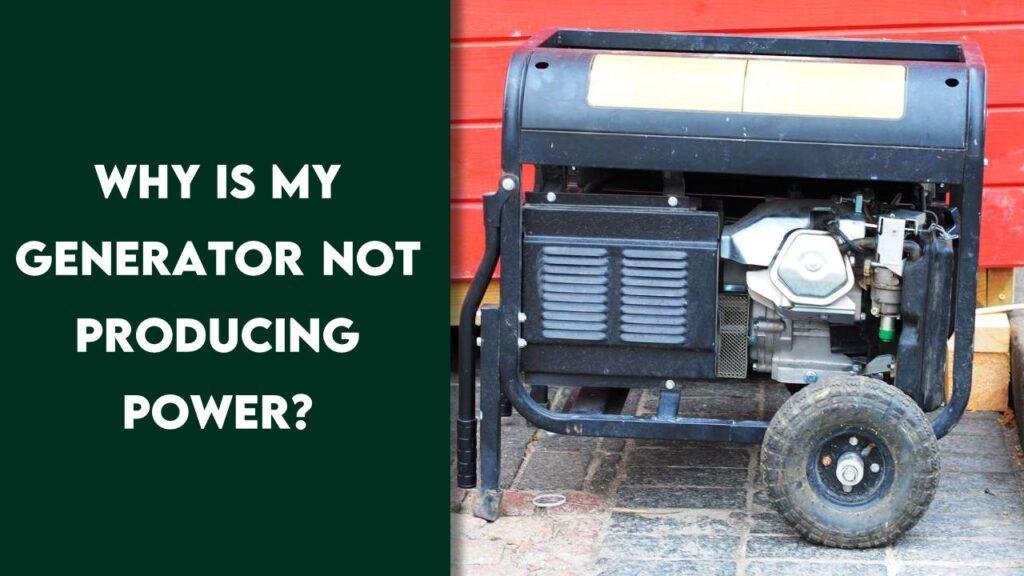
Imagine the peace of mind during a sudden power outage, your generator humming reliably outside, powering your essential appliances. Now, picture that same generator battling a relentless downpour, wind, or scorching sun without proper protection. The benefits of using generator covers extend far beyond simple aesthetics; they are crucial for safeguarding your investment, ensuring its longevity, and maintaining peak performance when you need it most.
For anyone who relies on a portable generator—whether for emergency backup, camping trips, or powering remote job sites—understanding how to protect it from the elements and operational hazards isn't just smart; it's essential.
At a Glance: Key Benefits of Generator Covers
- Extended Lifespan: Protects against rust, corrosion, and wear from weather exposure.
- UV Protection: Prevents sun damage to plastic and rubber components, reducing cracking and degradation.
- Debris Prevention: Keeps leaves, dust, and other clutter out of crucial air filters and cooling vents.
- Enhanced Safety: Reduces the risk of accidental contact with hot or moving parts and minimizes fire hazards.
- Reliable Operation: Ensures your generator starts and runs efficiently when needed most, free from environmental interference.
- Cost Savings: Avoids expensive repairs or premature replacement due to weather-related damage.
- Peace of Mind: Provides confidence that your power source is protected and ready for action.
More Than Just a Tarp: Why Your Generator Needs Real Protection
Running a portable generator outdoors, as often recommended for safety due to carbon monoxide risks, exposes it to a gauntlet of environmental challenges. Rain, snow, intense sunlight, and even just dust and debris can significantly shorten its lifespan and compromise its reliability. These elements don't just affect the exterior; they silently degrade internal components, leading to costly repairs or complete failure.
Without adequate protection, you risk:
- Rust and Corrosion: Moisture is the enemy of metal. Rain and humidity can quickly lead to rust on the engine block, frame, and electrical components, severely impacting performance and safety.
- UV Damage: The sun’s ultraviolet rays degrade plastic and rubber parts, like fuel lines, tires, and control panel covers, causing them to crack, stiffen, and fail prematurely.
- Debris Clogging: Leaves, twigs, dust, and even insects can clog air filters, cooling vents, and exhaust ports, leading to overheating, reduced efficiency, and potential engine damage.
- Accidental Contact: Exposed hot mufflers or moving belts pose a safety risk, especially in busy environments or around children and pets. A proper cover can offer a layer of insulation and obstruction.
- Fire Hazards: Flammable materials accumulating near a hot exhaust can ignite, turning a power solution into a dangerous liability.
Investing in a purpose-built generator cover isn't just about preserving its looks; it's about preserving its functionality and your safety.
Understanding Your Options: Types of Generator Covers and Housing
Generator covers aren't one-size-fits-all, and their effectiveness varies widely depending on design and material. Choosing the right type depends on your usage, climate, and how much protection you need while running versus just for storage.
Temporary & Light-Duty Solutions
These options offer basic protection but often come with limitations, especially when running the generator.
- Weather-resistant tarps: While affordable, heavy-duty polyethylene or vinyl tarps are best for temporary storage or very light rain. They typically don't allow for safe operation due to poor ventilation and fire risk.
- Portable generator covers (storage type): These are often lightweight fabric covers designed for a snug fit specifically for storage. They protect against dust and UV rays when the generator isn't running but are not suitable for operation.
- Pop-up canopies: Lightweight frames with fabric tops provide temporary sun and rain shelter. However, they lack side protection, can be unstable in wind, and don't address exhaust ventilation or fire safety for running generators.
More Robust & Operational Solutions
These options are designed with better protection in mind, some even allowing safe operation during inclement weather.
- Generator running tents: These are purpose-built, durable, tent-like structures, sometimes made from non-flammable materials. They are specifically designed to provide protection while the generator is running, featuring exhaust vents and sturdy construction. They're an excellent solution for active use.
- Generator boxes: These robust, portable housings are designed for a snug fit around your generator. Many come with integrated ventilation systems, offering significant protection while running.
- Modified plastic storage sheds: Lightweight, rust and rot-resistant, these can be adapted for generator storage. With careful modification for ventilation and exhaust, some users adapt them for running, but it requires diligent planning to ensure safety.
- Dog house structures: Made from wood or composite materials, these are sturdy and non-portable. While offering good protection, wood structures can be flammable and require specific fire-resistant modifications and ample ventilation if the generator runs inside.
- Permanent covers: Stationary structures, often made of metal or wood, offer strong, long-lasting protection. These are typically custom-built for a specific location and provide robust shelter from all elements.
- Custom-made covers: Tailored for a perfect fit, these can be permanent structures or portable options. They offer the advantage of precise design to meet specific needs, including optimal ventilation and access points.
The Smart Choice: Advantages of Pre-Built Generator Running Covers
When it comes to protecting a running generator, especially during adverse weather, pre-built generator running covers stand out. These aren't just generic tarps; they are engineered solutions designed with safety, performance, and longevity in mind. Their advantages make them a superior choice over most DIY approaches or simple storage covers.
One of the most significant advantages is their superior protection and longevity. Pre-built covers are designed to be truly weather-resistant, offering robust protection against rain, snow, and ice. They also incorporate UV protection, which is vital for preventing sun damage to the plastic and rubber components that are so vulnerable to degradation over time. This targeted protection helps keep your generator in prime condition for many years. To understand more about extending your generator's life, you might want to look at general generator maintenance tips.
These covers utilize durable materials specifically chosen for their resilience. Materials like marine-grade vinyl can withstand extreme conditions, including exhaust heat that can reach up to 1300°F, without melting or degrading. This heat resistance is critical for safe operation, preventing the cover itself from becoming a hazard.
Furthermore, pre-built running covers feature tailored designs for a snug fit. This ensures that the cover doesn't impede airflow or access to controls while keeping the elements out. Crucially, they include built-in ventilation panels or breathable materials that allow heat to escape and provide essential airflow, preventing dangerous overheating. Some covers are even flame retardant, further reducing fire hazards by keeping debris away from hot engine parts.
Opting for a pre-built solution is also a matter of convenience and assurance. They are ready to use right out of the box, saving you significant time and effort in planning, sourcing materials, and construction. This immediate readiness is invaluable, particularly when you need to quickly deploy your generator during an emergency. Pre-built covers also come with a clear price tag reflecting quality, allowing you to budget effectively, and often include a warranty, providing added peace of mind for your investment.
DIY vs. Pre-Built: Weighing Your Options
The decision between building your own generator cover and purchasing a pre-built solution often comes down to balancing cost, time, skill, and safety. While DIY options can seem appealing initially, they frequently present unforeseen challenges and compromises.
Time and Effort
- DIY: Requires significant planning, sourcing materials, cutting, constructing, and potentially multiple adjustments. This can be a time-consuming process, especially if you lack experience in construction or design.
- Pre-Built: Ready-to-use straight out of the box. Installation is typically quick and straightforward, involving simply placing it over your generator and securing it.
Cost
- DIY: May appear to have lower upfront material costs. However, hidden costs can quickly add up, including tools you might need to buy, unexpected material shortages, and potential repairs if the design fails. The true cost of your time also needs to be factored in.
- Pre-Built: Comes with a clear price tag that reflects the quality of materials, engineering, and integrated safety features. While potentially higher upfront, it often represents better long-term value due to durability and reduced risk.
Durability and Materials
- DIY: The durability of a DIY cover depends entirely on the materials chosen and the construction quality. It's challenging to replicate the specialized, high-temperature, UV-resistant, and waterproof materials found in commercial products without significant expense and expertise. DIY covers rarely come with any form of warranty.
- Pre-Built: Uses high-quality, tested materials (like marine-grade vinyl or heavy-duty polyester) specifically engineered to withstand exhaust heat, UV radiation, and harsh weather. These covers often come with manufacturer warranties, vouching for their durability and performance.
Ventilation and Safety
- DIY: Achieving proper and safe ventilation can be the most challenging aspect of a DIY cover. Inadequate airflow leads to dangerous overheating, while improperly directed exhaust poses carbon monoxide risks. Fire hazards are also higher if materials aren't heat-resistant or if flammable debris can accumulate.
- Pre-Built: Designed with integrated ventilation systems, exhaust flaps, and often flame-retardant materials. These features ensure safe operation by preventing overheating, directing exhaust away from the generator, and minimizing fire risks, all while keeping moisture out. Understanding these safety requirements is crucial, and you can learn more about general portable generator safety to ensure comprehensive protection.
Ultimately, while a DIY approach might save a few dollars initially, the peace of mind, superior protection, and engineered safety features of a pre-built generator running cover often make it the wiser and safer long-term investment.
Finding Your Perfect Match: Selecting the Right Generator Running Cover
Choosing the right generator cover isn't just about picking one that fits; it's about selecting a solution that aligns with your specific generator model, usage patterns, and local climate. A thoughtful selection ensures maximum protection and operational safety.
Here's what to consider:
- Airflow Design: This is paramount for safety. Look for covers with built-in ventilation panels, breathable materials, or carefully designed openings/flaps that safely accommodate exhaust gases. The cover must allow hot air to escape and fresh air to enter, preventing the generator from overheating. Never completely enclose a running generator.
- Weather Resistance: Your cover needs to withstand the elements you expect.
- High-Temperature Resistance: The material must withstand exhaust heat without melting or degrading. Look for specific temperature ratings if possible.
- Waterproof/Water-Resistant: For rainy or snowy climates, a fully waterproof material is essential. Water resistance is good, but waterproof is better for extended exposure.
- UV Resistance: Crucial for areas with strong sunlight, as it prevents the cover itself, and the generator's plastic components, from deteriorating prematurely.
- Ease of Use: Think about how often you'll deploy and store your generator.
- Lightweight: A cover that's easy to put on and take off saves time and effort, especially in an emergency.
- Secure Fastening: Look for adjustable straps, drawstrings, or buckles that ensure a tight fit, preventing wind from blowing the cover away or allowing debris to enter.
- Fit and Size: A cover that's too small won't protect adequately, and one that's too large can be a hazard in windy conditions or impede proper ventilation.
- Model-Specific: Ideally, find a cover designed for your specific generator model.
- Snug Fit: Ensure it covers the generator without obstructing essential vents, exhaust outlets, fuel caps, or control panels. Adjustable straps or drawstrings can help customize the fit.
- Material: The material dictates durability and protective qualities.
- Durable Fabrics: Polyester or vinyl are common and effective. Look for high denier counts for better tear resistance.
- Breathable Fabrics: While needing to be water-resistant, some breathability helps prevent moisture buildup and mold growth under the cover.
- UV Resistance: As mentioned, this is key for long-term outdoor deployment.
- Local Climate: Your geographical location plays a big role.
- Rainy Climates: Prioritize superior waterproofing.
- Sunny Climates: Emphasize UV resistance.
- Cold/Snowy Climates: Look for materials that remain flexible in low temperatures and can shed snow effectively.
By carefully considering these factors, you can select a generator cover that provides optimal protection, enhances safety, and extends the life of your valuable equipment. If you're still weighing your options for the generator itself, exploring various models can help you make an informed choice for what to protect. Choosing the right generator model is a key step before you even think about covers. Once you have a generator in mind, you can then come back and explore our generator covers specifically designed to meet its needs.
Setup for Success: Installation Tips and Pitfalls to Avoid
Even the best generator cover won't protect your investment if it's not installed correctly. Proper setup ensures both the generator's safety and optimal performance. Follow these guidelines to get it right:
Essential Installation Tips
- Stable and Safe Placement: Always place your generator on a flat, stable surface. Ensure it's far away from your home or any buildings, at least 20 feet from any openings (windows, doors, vents), to prevent carbon monoxide accumulation. Keep it clear of flammable materials like dry leaves, brush, or fuel containers.
- Secure the Cover Properly: Use the provided straps, buckles, or ties to secure the cover tightly around your generator. A snug fit prevents the cover from blowing away in windy conditions and also helps to keep rain, snow, and debris from getting underneath.
- Ensure Adequate Ventilation: This is non-negotiable. The cover must allow for proper airflow around the generator and direct exhaust fumes safely away. Utilize any built-in ventilation panels, exhaust flaps, or dedicated openings. Never completely enclose a running generator. There must always be clear pathways for heat to dissipate and exhaust to escape into the open air.
- Read Manufacturer Recommendations: Always, always, always consult both your generator's manual and the cover's instructions. Some generators have specific requirements or might be designed in a way that dictates certain cover types or operational parameters.
Common Mistakes to Avoid
- Ignoring Generator Size Specifications: A cover that's too small won't offer full protection, leaving parts exposed. A cover that's too large can flap dangerously in the wind, potentially tearing or even catching on hot engine parts, creating a fire hazard. Always ensure the cover is designed for your specific generator model or dimensions.
- Completely Enclosing the Generator: As reiterated, this is a major safety hazard. It traps heat, leading to overheating and potential damage to the generator. More importantly, it can trap lethal carbon monoxide fumes, making it extremely dangerous. Always ensure exhaust is unimpeded and ventilation is ample.
- Neglecting Regular Checks: Don't just set it and forget it. Regularly inspect your generator cover for any tears, holes, or signs of wear. Even small damages can compromise its protective capabilities, allowing water or debris to seep in. Repair them promptly to maintain full protection.
- Using Improper Materials for DIY: If you're attempting a DIY solution, avoid using flammable materials or those that melt easily with heat. Tarps not rated for high temperatures can become a serious fire risk near the exhaust.
By following these tips and avoiding common mistakes, you ensure that your generator cover performs its job effectively, safeguarding your equipment and contributing to a safer power solution.
Beyond the Cover: Exploring Other Generator Protection Solutions
While running covers are excellent for protecting your generator during operation, other options exist for more permanent solutions, noise reduction, or multi-purpose storage.
Generator Enclosures
These are small, dedicated structures, often made of metal or robust plastic, designed to house a generator.
- Advantages: They offer superior protection from weather and debris, provide excellent security against theft, and often significantly reduce operational noise. Many come with integrated air vents, exhaust systems, and sound dampening.
- Disadvantages: They can be more expensive than covers, require dedicated space, and may involve more complex installation. They are generally less portable once set up. Understanding these larger structures can be helpful; for a deeper dive, consider learning more about understanding generator enclosures.
Protective Garages (Small Sheds)
These are essentially small sheds, typically made of wood or metal, adapted to house a generator.
- Advantages: They offer very strong, stable protection from all weather conditions, deter theft effectively, and can often double as storage for other outdoor tools.
- Disadvantages: They take up more space, are generally not portable, and may require assistance or construction skills to build. Proper ventilation and exhaust routing are critical and often require custom modification to ensure safety.
DIY Solutions (Revisited)
Homemade covers using tarps, plywood, or plastic sheets can be tempting due to their low cost.
- Advantages: Cheap and readily available materials. Good for very short-term, low-risk scenarios.
- Disadvantages: As discussed earlier, they are rarely as strong or durable as pre-built options, often lack proper heat resistance, and make achieving safe and effective ventilation extremely challenging. They require constant vigilance for airflow and safety. While cost-effective, they introduce significant risks if not meticulously planned and monitored.
Each of these alternatives offers varying levels of protection, cost, and complexity. Your choice should align with your specific needs for security, noise reduction, portability, and budget. For those planning for any type of power outage, considering a comprehensive emergency power planning strategy will include more than just generator protection.
Frequently Asked Questions About Generator Covers
It's natural to have questions when investing in something as important as generator protection. Here are some common queries and clear answers to help you make informed decisions.
Can I run my generator in the rain with just a regular tarp?
No, absolutely not. A regular tarp is generally not designed for the heat generated by a running generator and will likely lack proper ventilation openings. This can lead to dangerous overheating, fire hazards, and carbon monoxide buildup. You need a purpose-built "generator running cover" or "running tent" specifically designed to allow safe operation in wet weather, with integrated ventilation and heat-resistant materials.
How do I ensure proper ventilation with a generator cover?
Look for covers explicitly designed for "running" your generator, not just storage. These covers will have strategically placed vents, flaps, or openings that allow exhaust gases to escape unimpeded and fresh air to circulate around the engine for cooling. Always ensure these vents are not blocked by snow, leaves, or other debris. Never completely seal a running generator inside any enclosure.
Are all generator covers flame retardant?
Not all generator covers are flame retardant. While many quality pre-built running covers use heat-resistant materials designed to withstand exhaust temperatures, specific flame retardancy may vary. Always check the product specifications if this is a critical concern for you. It's an important safety feature often found in higher-quality, purpose-built running covers.
How do I know what size cover to buy for my generator?
Measure your generator's length, width, and height accurately. Then, compare these dimensions to the cover's specifications. Ideally, look for a cover designed for your specific generator model. If a model-specific cover isn't available, choose one slightly larger than your generator to ensure a comfortable fit that doesn't obstruct vents or controls. Adjustable straps or drawstrings can help secure a slightly larger cover.
Can a generator cover reduce noise?
While generator covers are primarily for weather and debris protection, some generator enclosures (which are more robust than simple covers) are designed with sound-dampening materials that can significantly reduce noise levels. Simple fabric covers offer minimal to no noise reduction. If noise is a primary concern, look for dedicated sound-reducing enclosures or consider your generator's placement carefully.
The Bottom Line: Protecting Your Power Source
Your portable generator is a vital asset, providing essential power during emergencies, recreational activities, or demanding work situations. Neglecting its protection from the elements is akin to leaving a valuable tool exposed to accelerated wear and eventual failure. The benefits of using generator covers are clear: extended lifespan, reliable performance, enhanced safety, and ultimately, greater peace of mind that your investment is secure.
Whether you opt for a robust running tent, a durable pre-built cover, or a more permanent enclosure, the decision to protect your generator is a smart one. Carefully consider your climate, usage, and the specific needs of your generator model to choose the right solution. By doing so, you're not just buying a cover; you're investing in the continued readiness and longevity of your power source, ensuring it’s there to light up your life when darkness falls. Make an informed choice, protect your generator, and stay powered.